The chilling confession emerged from a New Hampshire storage facility – a series of videos left behind by Claudio Neves Valente, the man responsible for a horrific spree of violence that shattered the peace of two prestigious academic institutions. Valente, a 48-year-old former Brown University student, meticulously documented his plans, revealing a calculated attack years in the making.
The shootings, which claimed the lives of two Brown students – Ella Cook, 19, and MukhammadAziz Umurzokov, 18 – and left nine others wounded, unfolded on December 13th. Just two days later, MIT professor Nuno F.G. Loureiro was found murdered in his home. The connection between the victims, initially unclear, revealed a shared past with Valente, stretching back to their student days in Portugal.
Within the recovered videos, Valente spoke candidly in Portuguese, detailing how he’d been refining the details of his plan for at least six semesters. Disturbingly, he offered no explanation for his motives, no justification for the senseless loss of life. Instead, a cold detachment permeated his words, a refusal to express remorse.
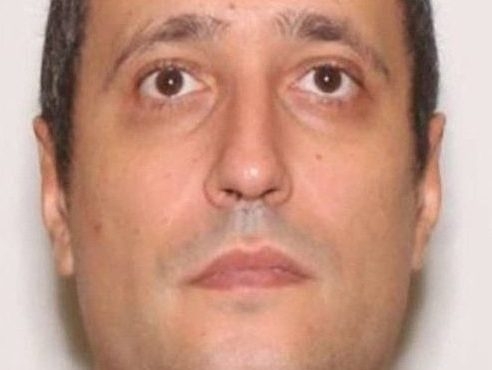
“I’m not going to apologize because during my lifetime no one sincerely apologized to me,” he stated, a chilling echo of a deeply rooted resentment. He even addressed, with apparent irritation, false claims circulating after the attack – specifically, the baseless assertion that he had shouted religious phrases during the shooting.
Valente clarified he hadn’t uttered a word of Arabic, explaining any sounds he might have made were likely exclamations of disappointment at the seemingly empty auditorium. He revealed his initial intention wasn’t to target a large gathering, but a smaller, more intimate space, admitting he repeatedly “chickened out” in the preceding months.
He vehemently denied any mental illness, dismissing the idea of a manifesto or a desire for notoriety. His sole objective, he claimed, was to control his own ending, to ensure he wouldn’t be the primary sufferer in the aftermath. A disturbing sense of control underscored his every statement.
Valente described his actions as “a little incompetent,” yet simultaneously asserted their significance: “But at least something was done.” This unsettling juxtaposition revealed a mind grappling with its own destructive impulses, detached from the gravity of its consequences.
The investigation uncovered a shared history between Valente and Professor Loureiro, both having attended the same academic program in Portugal between 1995 and 2000. Valente’s dismissal from a university position in Lisbon in 2000 added another layer to the unfolding narrative, hinting at past grievances.
He had secured the storage unit where his body was ultimately discovered approximately three years prior, a chilling indication of long-term planning. Valente also recounted a crucial encounter with a witness at Brown University, a confrontation that ultimately led to his identification through a tip posted on Reddit.
He expressed surprise at how long it took authorities to locate him, revealing he hadn’t anticipated the witness’s recollection of his license plate. Despite his years in the United States – arriving around 25 years ago to study physics at Brown – he claimed no particular allegiance to the country, or to Portugal, stating he had existed “without caring for a very long time.”
The tragedy continues to cast a long shadow over the Brown University community, a stark reminder of the fragility of peace and the enduring pain of loss. The search for understanding, for any semblance of reason behind these senseless acts, remains a profound and heartbreaking endeavor.