A quiet debate is stirring within Canada’s automotive industry: is now the time to forge a truly Canadian-made vehicle, severing some reliance on American manufacturers? The question isn’t simply about national pride, but about securing the future of a vital economic sector.
A new study examined the feasibility of creating an all-Canadian car company, acknowledging the nation possesses the technical expertise and raw resources. However, the path forward is fraught with challenges, potentially requiring an astonishing $20 billion investment just to begin.
The biggest obstacle isn’t necessarily the money, but the market. Finding a vehicle concept that doesn’t already exist – and that consumers genuinely desire – is a monumental task. The automotive landscape is already crowded, making a successful launch incredibly difficult.
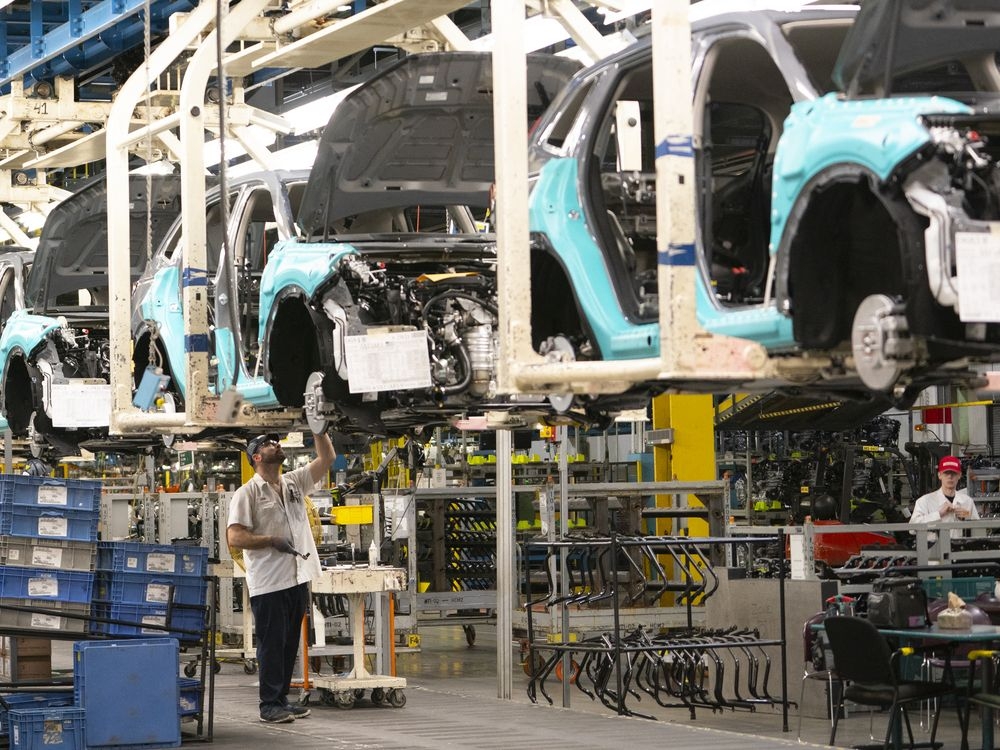
Canada already quietly manufactures specialized vehicles – buses, military transports, and even the unique Can-Am Spyder. But scaling up to mass-market production presents a vastly different set of hurdles, demanding both massive capital and a compelling product.
The report suggests a Canadian car company, defined as one that designs, assembles, and sells vehicles both domestically and internationally, remains a distant prospect. Profitability is a significant concern, compounded by the need to attract Canadian engineers currently working within the U.S. automotive industry.
Leading parts manufacturers like Magna and Linamar are seen as potential drivers of this conversation, building on the momentum of Project Arrow – an all-Canadian electric vehicle prototype designed to showcase the nation’s component capabilities.
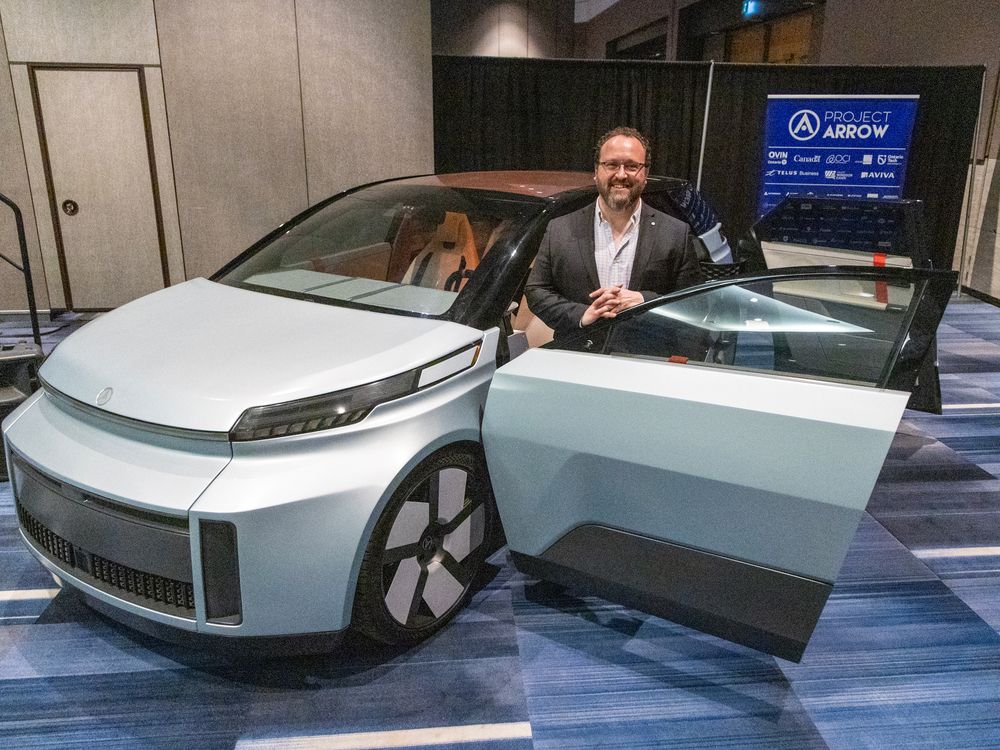
While Project Arrow demonstrated what’s *possible*, the report cautions that showcasing innovation doesn’t equate to establishing a full-fledged car company. It also won’t automatically restore the vehicle assembly jobs lost over the past two decades.
Currently, the focus remains on renegotiating the Canada-U.S.-Mexico trade agreement. Progress is being made, though a return to the favorable conditions of the original Auto Pact or NAFTA seems unlikely. These trade talks could significantly influence the urgency of the “Canadian car” discussion.
Canada’s vehicle production has dramatically declined since its peak in 1999, when over three million vehicles were built. Recent years have seen that number fall to around 1.3 million, with Japanese automakers now assembling more than half of the vehicles produced domestically.
The idea of national automakers isn’t unique to Canada. Turkey and Mexico have recently announced similar plans, joining established players in Europe and Asia who have successfully navigated this path in smaller markets.
This study isn’t intended as a definitive answer, but rather as a catalyst for informed discussion. It’s a crucial step in understanding the complexities and potential rewards of pursuing a truly Canadian automotive future.