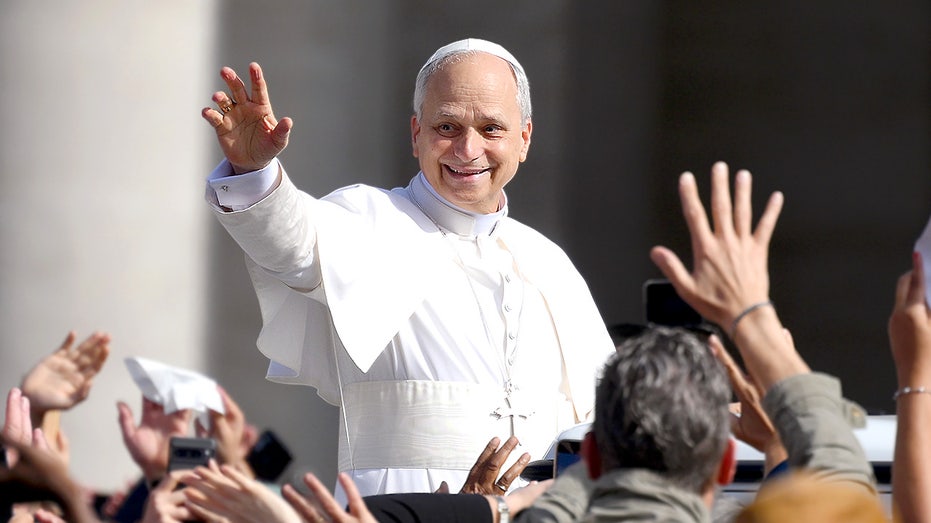
The grand bronze doors of St. Peter’s Basilica swung shut this week, marking the poignant end of a Holy Year that drew an unprecedented 33.5 million pilgrims to Rome. It wasn’t simply a closing of doors, but a solemn call to action delivered by Pope Leo XIV, a message resonating far beyond the Vatican walls.
Leo’s address wasn’t a recitation of numbers, but a challenge to the hearts of those who journeyed to the holy city. He questioned whether the sheer volume of visitors – representing 185 nations – had truly instilled a deeper understanding of human dignity, a recognition of the sacred in every individual.
The Pope’s words cut to the core of a troubling reality: a world where even spiritual journeys can be exploited. He spoke of an “distorted economy” that seeks profit from fundamental human needs, transforming hope and renewal into mere commodities.
He posed a powerful question to the faithful: after witnessing such a gathering of humanity, would they be better equipped to see beyond labels, to recognize the “pilgrim” in every visitor, the “seeker” in every stranger, the “neighbor” in every foreigner?
Holy Years, or jubilees, are rare occurrences, traditionally celebrated every 25 years as a time for peace, forgiveness, and spiritual renewal. These sacred periods invite reflection and a commitment to a more compassionate world.
This year’s jubilee held particular historical weight. It was initiated by the late Pope Francis and brought to a close by Pope Leo XIV, the first American to hold the papacy. This marked the first time in three centuries – since 1700 – that a Holy Year was overseen by two different pontiffs.
Leo, elected just months ago, has signaled a commitment to continuing Francis’ legacy, including his inclusive stance on issues like LGBTQ+ rights and the ongoing discussion surrounding women’s ordination within the Church.
The Pope’s closing remarks echoed Francis’ frequent critiques of the global economic system, lamenting how the markets can reduce profound human experiences – the desire for meaning, the courage to travel, the hope for a fresh start – to simple transactions.
As the doors closed on this extraordinary year, the message lingered: the true pilgrimage isn’t just about reaching a destination, but about transforming the heart and extending kindness to all encountered along the way. The next Holy Year isn’t anticipated until 2033, potentially commemorating the 2,000th anniversary of Jesus’ death.