Within the walls of Tocorón, a Venezuelan prison that resembled a resort, a terrifying force was quietly taking shape. Swimming pools, nightclubs, and even a zoo masked a breeding ground for criminality, all under the watch of President Nicolás Maduro. This wasn't just a jail; it was the birthplace of Tren de Aragua, a gang now designated a foreign terrorist organization by the United States.
Héctor “Niño” Guerrero, a notorious criminal, arrived at Tocorón in 2013, and immediately recognized the opportunity. Rampant corruption allowed him to build Tren de Aragua, fueled by a steady stream of money – $3.5 million annually from inmate dues and crimes committed beyond the prison walls. The prison wasn’t a barrier to crime; it *was* the engine of it.
Experts explain that economic instability creates fertile ground for gangs, especially within the confines of a prison where individuals with violent histories compete for control. The lines between the prison and the outside world blurred, with activities inside directly influencing events in the communities beyond.
For a decade, the Maduro administration largely ignored Tren de Aragua’s growing power. It wasn’t until 2023 that a massive operation – 11,000 troops – stormed Tocorón, attempting to regain control. But the intervention proved tragically late. By then, the gang had swelled to over 4,000 members, extending its reach across 11 of Venezuela’s 23 states.
Even more alarmingly, Guerrero himself escaped during the raid. His flight wasn’t a random event; it signaled a deep level of corruption or internal strife that allowed the gang’s leader to slip through the cracks. This escape unleashed a wave of violence that would soon reach American shores.
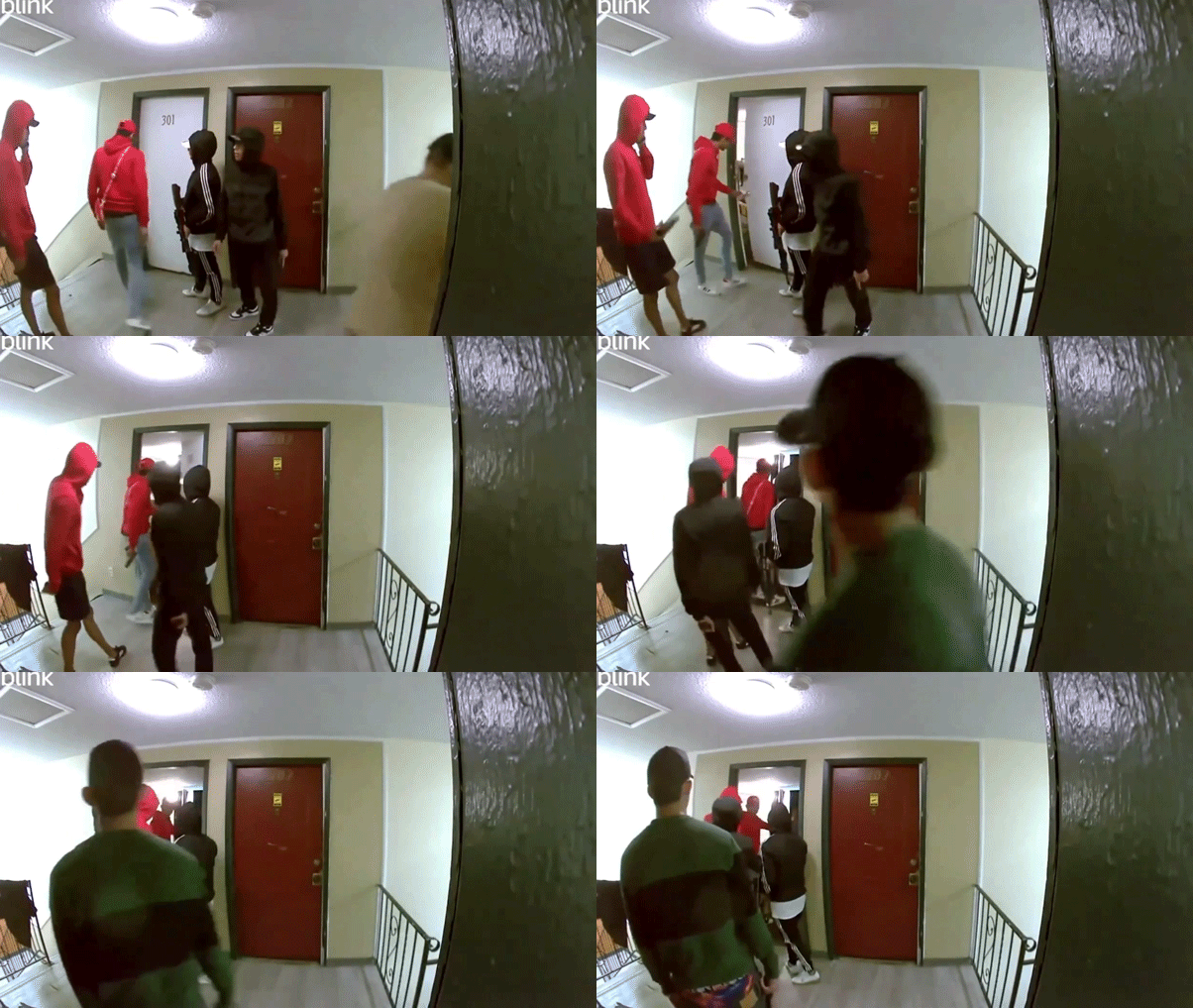
The impact was felt acutely in Aurora, Colorado. Tren de Aragua members began seizing control of apartment buildings, holding them for ransom and terrorizing residents. Surveillance footage showed heavily armed men patrolling hallways, a chilling display of power in a quiet residential neighborhood.
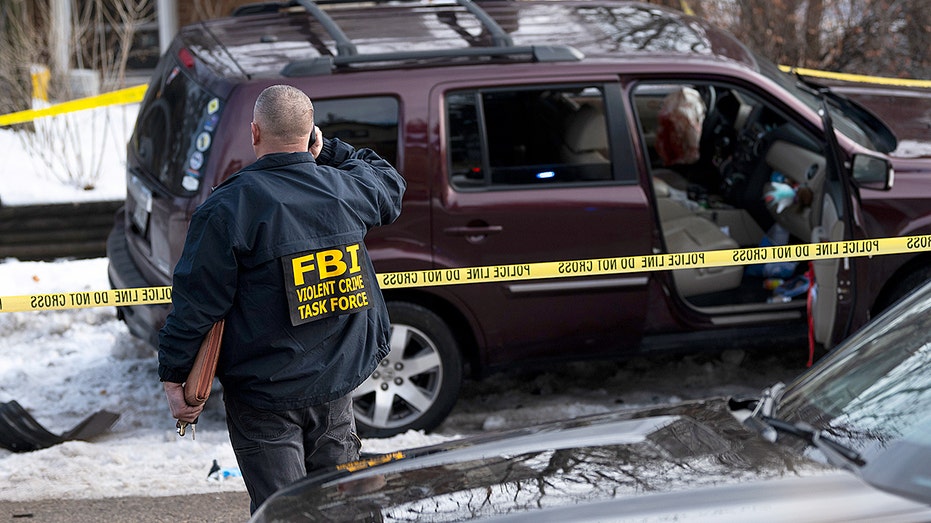
One property manager was brutally assaulted after refusing a bribe, and subsequently received terrifying threats – including his spouse’s name and home address – traced back to the gang by the FBI. A tenant returning from vacation found their apartment occupied by gang members, forced to abandon their home. The situation became so dire that a judge ordered the complex temporarily closed, displacing 85 families.
The gang specifically preyed upon the Venezuelan immigrant community, using violence, intimidation, extortion, and even kidnapping to establish dominance. Police Chief Todd Chamberlain described the complex as a hub for drug trafficking, home invasions, shootings, and assaults.
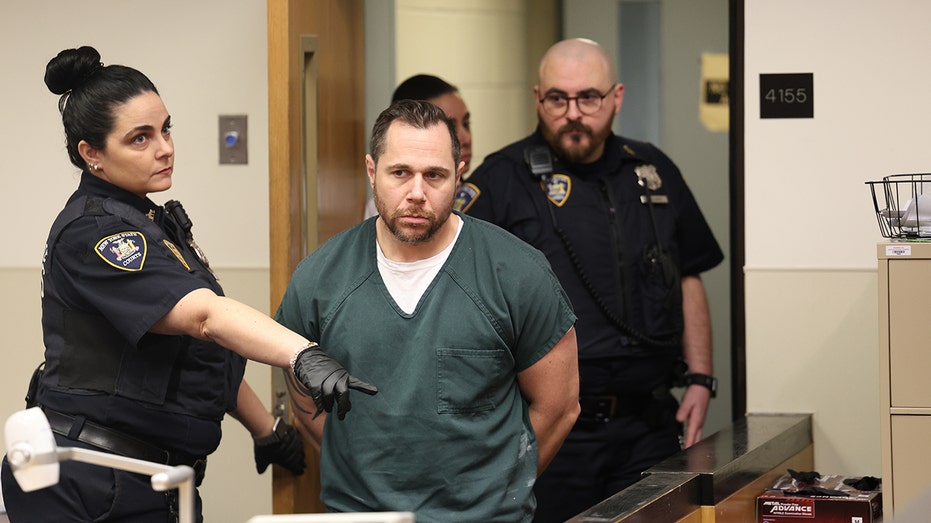
Anderson Zambrano-Pacheco, identified as one of the armed men in the Aurora apartment footage, was later arrested in New York City. But the damage was done, and the gang’s presence had left a lasting scar on the community. While activity has lessened in recent times, the initial surge was deeply unsettling.
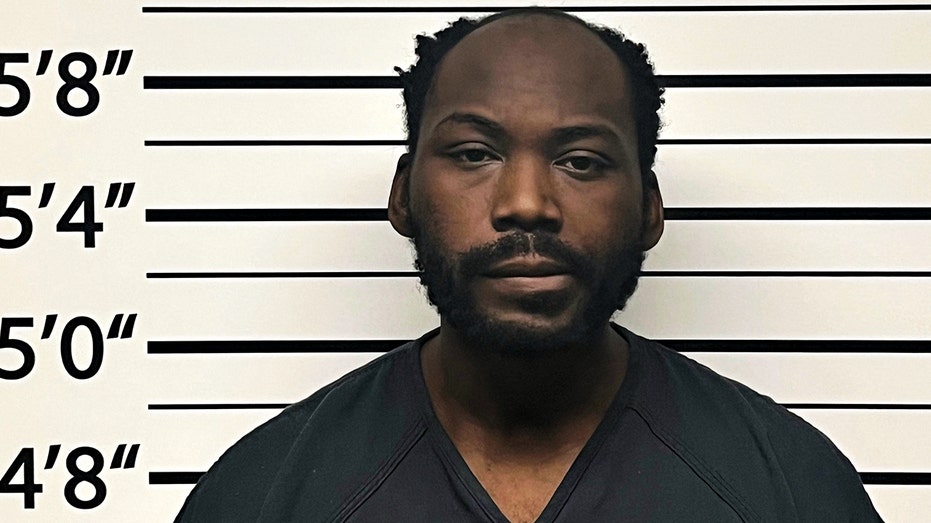
Federal indictments have been issued against alleged leaders of Tren de Aragua, including Brawins Dominique Suarez Villegas and Giovanni Vicente Mosquera Serrano, facing RICO charges. An indictment was also unsealed for Guerrero, still at large, highlighting the ongoing efforts to dismantle the organization.
However, the crisis underscores a critical point: Guerrero’s escape, facilitated by the conditions within Tocorón under the Maduro regime, was the catalyst for the violence now unfolding in the United States. A failure to maintain control within prisons can have devastating consequences, allowing criminal organizations to flourish and extend their reach across borders.