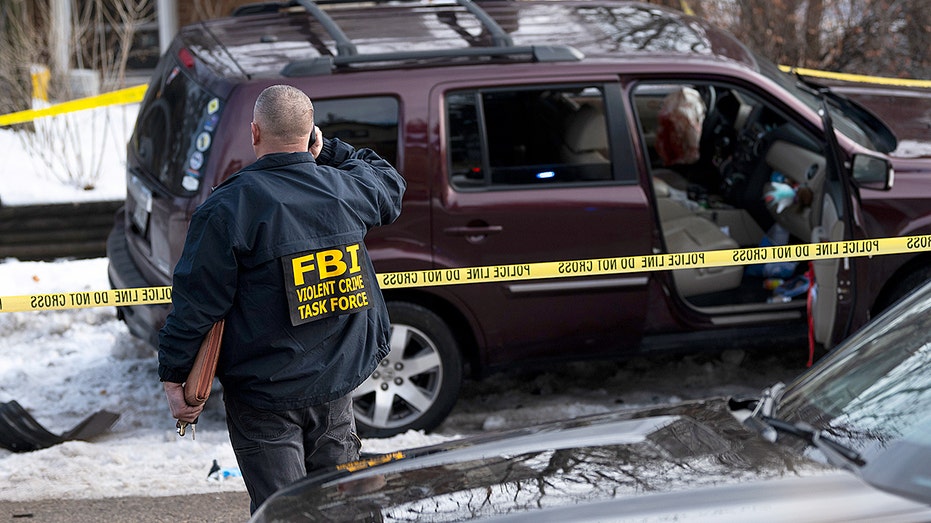
The instant an agent faces a rapidly accelerating vehicle, the world shrinks to a terrifyingly small space. Timothy Miller, a veteran of the Secret Service and ICE, explains that training kicks in, prioritizing survival in fractions of a second. It’s a response honed for situations where a car transforms from a ton of metal into an immediate, potentially lethal weapon.
Miller emphasizes a brutal reality: a vehicle presents a more certain death than a gunshot. While a person might survive being shot, being run over by a car offers little chance of escape. Agents aren’t afforded the luxury of lengthy deliberation; their decisions are made in the face of imminent danger.
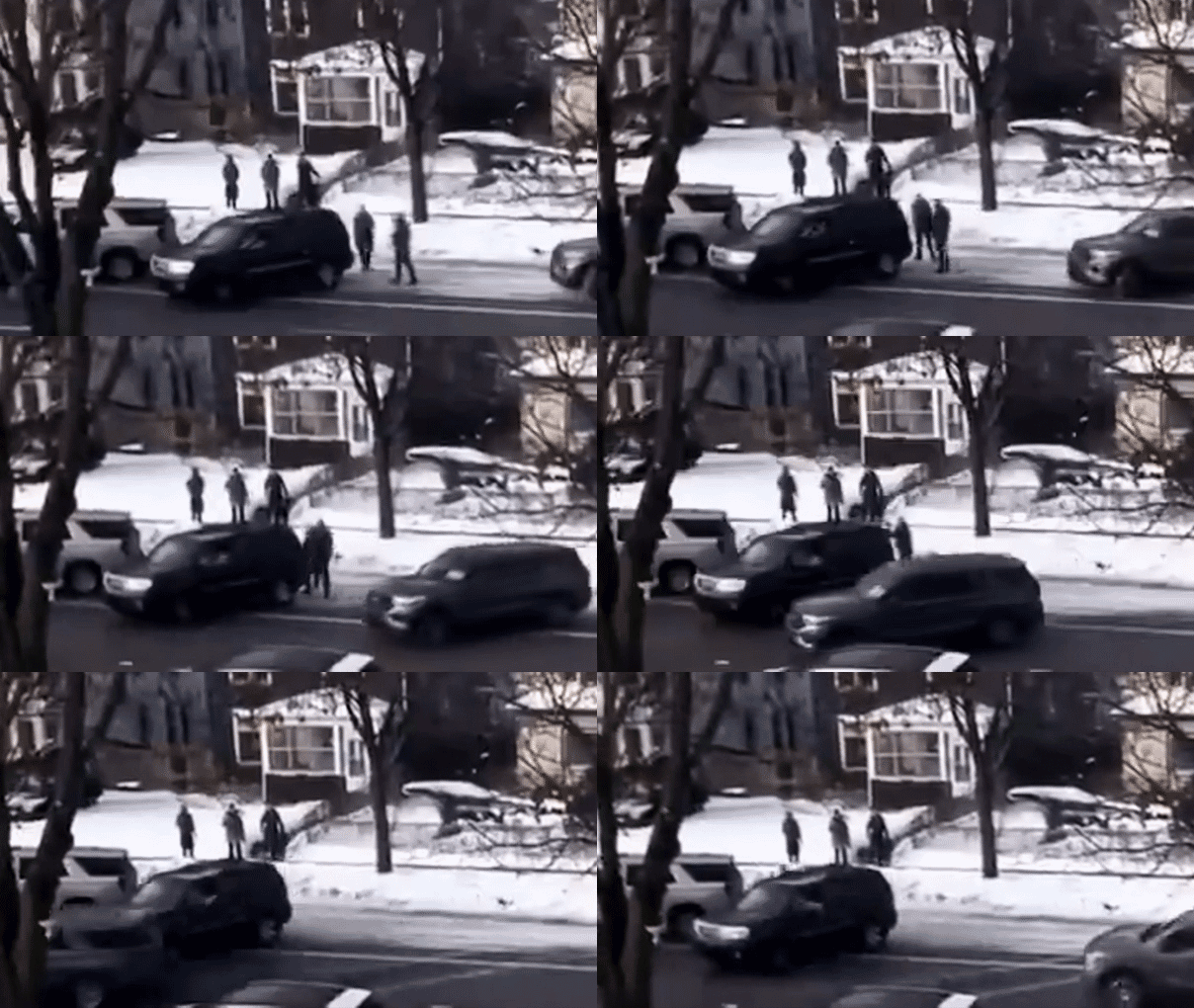
The shooting in Minneapolis, which claimed the life of Renee Nicole Good, has ignited a firestorm of controversy. Department of Homeland Security officials described Good as a “domestic terrorist” who deliberately used her vehicle as a weapon against ICE agents. Video footage shows an agent ordering her to exit the car before the fatal shots were fired.
Minneapolis Mayor Jacob Frey reacted with immediate condemnation, demanding ICE’s departure from the city. He accused the agency of exacerbating safety concerns and causing harm to the community, stating bluntly that their presence was actively detrimental.
Governor Tim Walz also voiced skepticism, dismissing the DHS account as “propaganda” after viewing the video. This public questioning of the agency’s narrative further fueled the already intense debate surrounding the incident.
According to Miller, the agent’s actions were a direct result of rigorous training designed for precisely such scenarios. Faced with a perceived threat to his life, he reacted instinctively, relying on the skills ingrained through countless hours of preparation. He had split seconds to assess and respond.
The legal framework supporting the agent’s actions stems from the 1989 Supreme Court case, Graham v. Connor. This landmark ruling established that the use of force by law enforcement must be judged by a standard of “objective reasonableness” – assessed from the perspective of a reasonable officer in the heat of the moment, not in hindsight.
The ruling acknowledges the immense pressure and rapid decision-making inherent in law enforcement encounters. It recognizes that officers cannot be expected to perfectly analyze every situation with the benefit of calm reflection. Their actions are evaluated based on the information available to them at that precise moment.
The shooting has sparked protests in Minneapolis and other cities, highlighting the growing tension surrounding law enforcement tactics. Miller warns that escalating rhetoric against police officers, coupled with the spread of misinformation, is creating a dangerous environment. He believes the narrative being presented often ignores the very real threats officers face.
The claim that there was “absolutely no threat,” as suggested by some officials, is, in Miller’s view, profoundly misguided. It disregards the potential for a vehicle to be weaponized and the split-second decisions officers are forced to make when confronted with a rapidly evolving, life-threatening situation.