A silent alarm rippled through the world of space exploration. NASA has made the extraordinary decision to bring a crew home early from the International Space Station, a move unprecedented in the station’s quarter-century of continuous human presence. This isn’t a planned rotation; it’s a response to a medical emergency unfolding 250 miles above Earth.
The situation began on January 7th, when a single crew member experienced a health issue. While details remain closely guarded, NASA Administrator Jared Isaacman acted swiftly, prioritizing the astronaut’s well-being above all else. After extensive consultations with medical experts and agency leadership, the order came down: bring Crew-11 home.
For over six decades, NASA has cultivated a reputation for unwavering safety in human spaceflight, and this decision underscores that commitment. Isaacman emphasized that the health of astronauts is, and always will be, the agency’s paramount concern. The gravity of the situation is amplified by the historical weight of this moment.
Space historian Rod Pyle, a veteran of NASA’s Jet Propulsion Laboratory and Johnson Space Center, confirmed the significance of this event. This marks the first time a mission to the ISS has been curtailed for medical reasons, a stark departure from the station’s long history of uninterrupted operation. Previous medical incidents, like deep vein thrombosis, were managed and resolved in orbit.
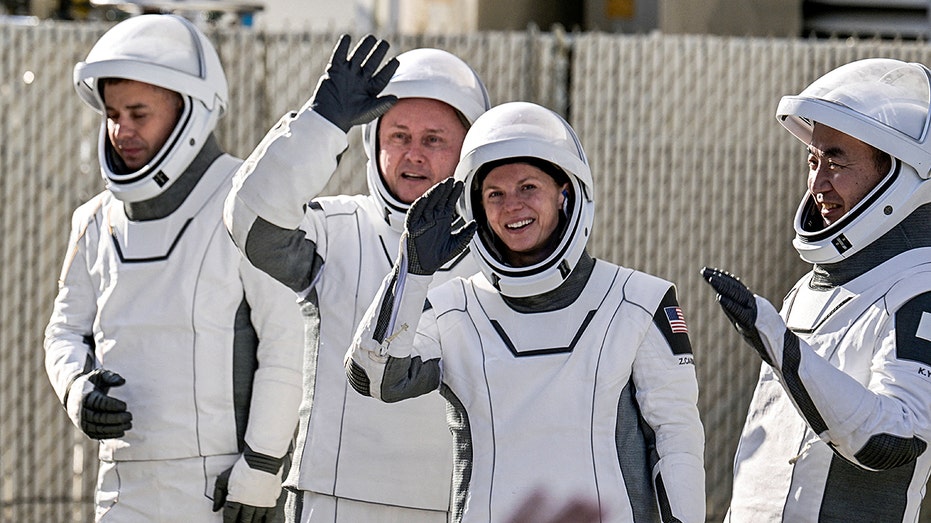
The SpaceX Dragon Endeavour spacecraft is now preparing for an expedited return, cutting short a mission that began in August and was originally slated to last six to eight months. Onboard are Commander Zena Cardman, pilot Mike Fincke, Japan Aerospace Exploration Agency astronaut Kimiya Yui, and Russian cosmonaut Oleg Platonov – all focused on a safe return.
Pyle praised Isaacman’s decisive leadership, acknowledging the difficult balance between astronaut health and ongoing research. While the immediate priority is the crew’s well-being, the interruption will inevitably impact the scientific work being conducted aboard the station. Nearly half of an astronaut’s time is dedicated to research, with the remainder focused on essential maintenance.
The remaining three astronauts will absorb some of the workload, but the situation introduces a critical challenge. Time is already a precious commodity as the International Space Station nears its planned de-orbit in 2030. The question now looms: how quickly can the private sector step in to fill the void and ensure continued access to space for vital research and exploration?
This unexpected turn of events serves as a potent reminder of the inherent risks of space travel and the complex decisions that NASA faces in safeguarding the lives of those who venture beyond our planet. It’s a moment that will be studied and analyzed for years to come, shaping the future of human spaceflight.