A quiet betrayal unfolded within the halls of Congress, a scheme built on trusted access and fueled by personal greed. Christopher Southerland, a 43-year-old former IT aide, now faces federal charges alleging he systematically pilfered taxpayer resources – not in grand sums, but in a surprisingly brazen accumulation of cellphones.
For over three years, Southerland held a position of responsibility as a system administrator for the House Committee on Transportation and Infrastructure. His role granted him the authority to order mobile devices for committee staff, a privilege he allegedly exploited with calculated precision beginning in January 2023.
The scale of the alleged theft is staggering: roughly 240 government-issued cellphones, valued at over $150,000, were diverted from their intended purpose. These weren’t ordered for legitimate use; they were shipped directly to Southerland’s home in Glen Burnie, Maryland, while the committee itself had only around 80 staff members.
Southerland didn’t intend to simply possess the phones. Prosecutors allege he quickly converted the stolen property into cash, selling over 200 of the devices to a local pawn shop. He even instructed the pawn shop employee to disassemble the phones, a deliberate attempt to evade the House’s security measures.
The plan wasn’t flawless. A single phone, sold intact instead of broken down for parts, became the unraveling thread. It surfaced on eBay, purchased by an unsuspecting buyer who unknowingly activated a direct line to the House of Representatives Technology Service Desk upon powering it on.
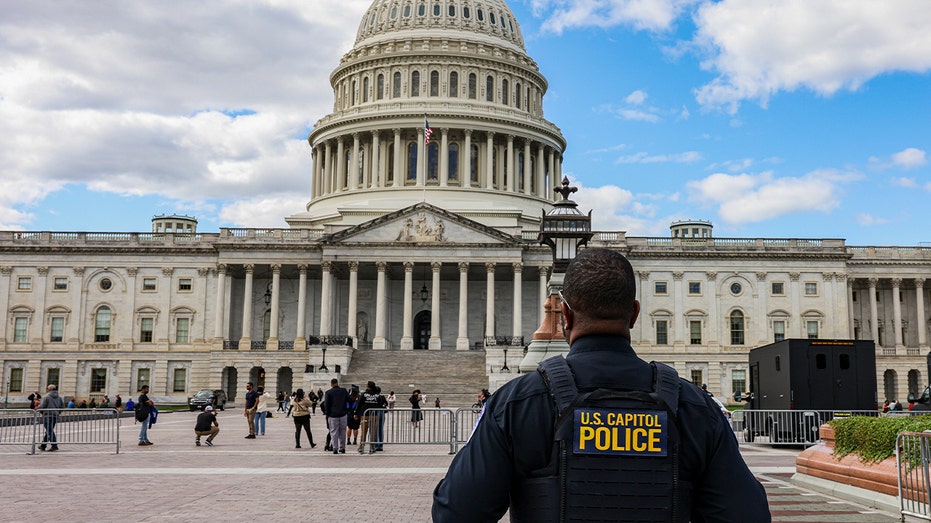
That innocent act – a simple phone activation – triggered an investigation that exposed a network of unaccounted-for devices linked to Southerland’s account. House officials quickly realized the extent of the missing phones, prompting involvement from the U.S. Capitol Police and the FBI.
The investigation revealed a calculated effort to circumvent security protocols. By instructing the pawn shop to sell the phones “in parts,” Southerland aimed to bypass the House’s mobile device management software, designed to remotely monitor and secure government-issued devices. It was a desperate attempt to cover his tracks.
Now, Southerland faces the consequences of his alleged actions, charged in a federal indictment unsealed in U.S. District Court. The case serves as a stark reminder that even within the most secure institutions, vulnerabilities can exist, and trust can be betrayed.