A legal battle has erupted between Minnesota and the federal government, escalating tensions over a dramatic surge in immigration enforcement within the Twin Cities. Minneapolis and St. Paul have filed suit, alleging an unprecedented and unlawful deployment of federal agents that has instilled fear and disrupted daily life.
The lawsuit directly names key figures within the Department of Homeland Security (DHS), Immigration and Customs Enforcement (ICE), and Customs and Border Protection (CBP), accusing them of overstepping constitutional boundaries. Minnesota’s Attorney General argues the operation isn’t about legitimate law enforcement, but a targeted response to the state’s diversity and political viewpoints.
The state contends that thousands of armed, often masked, federal agents have descended upon the metropolitan area, conducting what officials describe as militarized raids. These actions have reportedly extended to sensitive locations like schools and hospitals, raising serious concerns about safety and due process.
Local schools were forced into lockdown, and entire districts transitioned to online learning, impacting tens of thousands of students. Businesses, already navigating economic challenges, have reported significant revenue declines, with some forced to close their doors due to public fear.
The situation reached a tragic turning point earlier this month when a DHS agent fatally shot Renee Nicole Good, a 37-year-old Minneapolis woman, during an enforcement operation. Her death has left behind grieving children, including a six-year-old son now without parents, fueling outrage and demands for accountability.
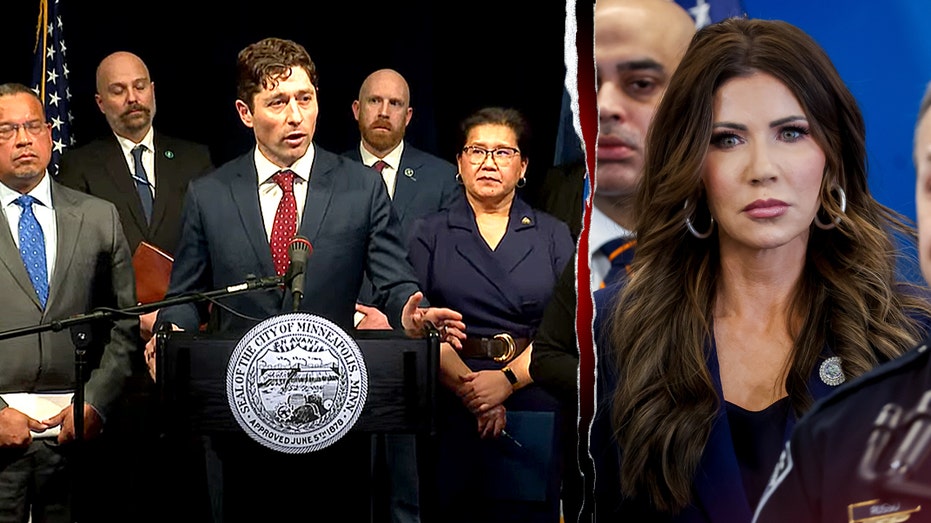
Minneapolis Mayor Jacob Frey insists this enforcement surge is unlike any traditional immigration operation. He emphasizes the sheer scale of the deployment is disproportionate and does nothing to enhance public safety, instead creating an atmosphere of anxiety and distrust.
Federal officials vehemently defend the operation, claiming it’s a necessary response to obstruction from local leaders. They accuse Minnesota officials of prioritizing politics over public safety and failing to uphold their duty to remove dangerous criminals from the streets.
DHS officials cite numerous cases of individuals with serious criminal convictions – including rape, sexual assault, homicide, and kidnapping – who they allege were shielded by local policies. Some of these individuals had been subject to deportation orders for decades, yet remained in the community.
The examples presented include individuals from Laos, Guatemala, Somalia, and other nations, each with a history of violent crimes and long-standing deportation orders. Federal authorities argue this underscores the need for robust enforcement and a collaborative approach with state and local partners.
The lawsuit and the ensuing debate highlight a fundamental clash of ideologies regarding immigration enforcement and the balance between federal authority and states’ rights. The outcome of this legal battle will likely have far-reaching implications for communities across the nation.