A growing call for stricter measures against organized crime is echoing across provincial borders, with experts urging Ontario to mirror Quebec’s bold new approach. Quebec recently introduced legislation designed to dismantle the public face of criminal groups, aiming to strike at the heart of their intimidation tactics and perceived power.
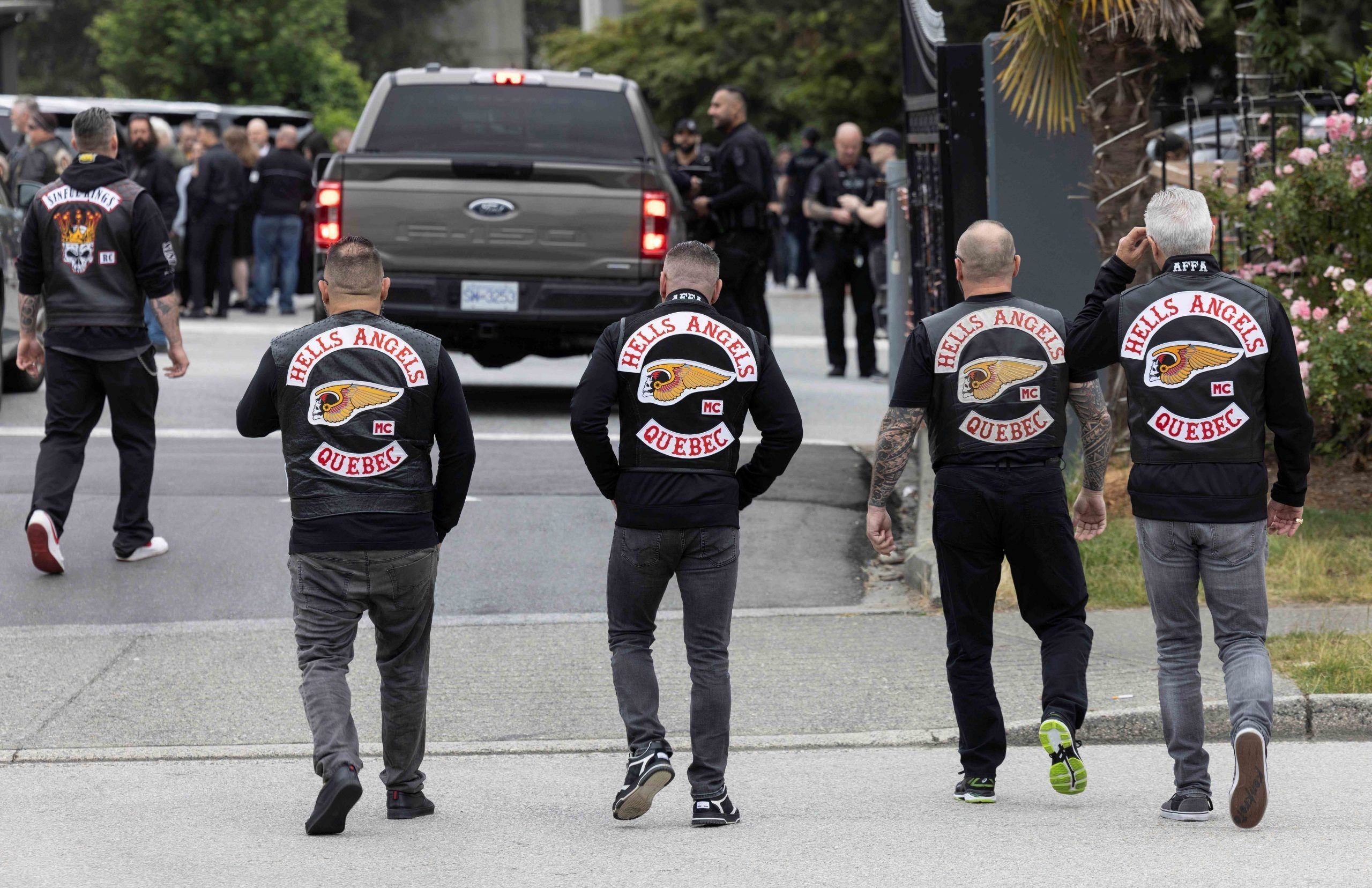
The proposed Quebec law, Bill 13, isn’t simply about arresting criminals; it’s about eroding their ability to project an image of strength and control. It specifically targets the public display of names and logos associated with organizations deemed to have “a criminal purpose,” effectively silencing a key element of their public persona.
This legislation extends beyond outlaw motorcycle gangs, also including provisions for a public list of high-risk sex offenders and restrictions on protests near politicians’ homes. However, the focus on criminal group identifiers is particularly significant, potentially carrying fines up to $15,000 for those displaying prohibited emblems.
James Dubro, a seasoned observer of organized crime and author of numerous works on the subject, believes Ontario should swiftly adopt similar measures. He argues there’s no downside to diminishing the public visibility of these groups and disrupting their attempts to instill fear.
The significance of these symbols – the patches worn by bikers, for example – goes far beyond mere branding. Dubro explains these displays are carefully crafted to intimidate both rivals and the general public, simultaneously fostering a sense of pride and belonging within the organization.
While the Ontario Provincial Police have cautiously welcomed any tools that enhance public safety, they remain focused on enforcing existing laws. A spokesperson acknowledged the value of input into legislation directly impacting policing, hinting at a willingness to consider the Quebec model.
Ontario currently contends with eleven outlaw motorcycle clubs, encompassing approximately 75 chapters and a membership of around 1,000 individuals. The potential impact of a similar law in Ontario could be substantial, disrupting established patterns of intimidation and public display.
Quebec’s proactive stance isn’t limited to legislation. Recent pressure from the province’s public security ministry led major retailers like Amazon and Walmart to cease selling merchandise supporting the Hells Angels, including items subtly referencing the club through coded symbols.
This move highlights the broader intent to cut off all avenues of public support and normalization for these groups, even those seemingly innocuous like “support gear.” The Quebec legislation appears to encompass even these indirect displays of affiliation.
However, the proposed law isn’t without its critics. The Canadian Civil Liberties Association has raised concerns about the potential infringement on freedom of expression, arguing the criteria for designating criminal organizations are too lenient and could lead to overreach.
The debate underscores the delicate balance between public safety and fundamental rights. As Ontario considers following Quebec’s lead, a careful examination of these concerns will be crucial to ensure any new legislation is both effective and just.