A chilling confession unfolded in Mississippi, revealing the motive behind a devastating arson attack on a historic synagogue. Stephen Pittman, 19, admitted to deliberately setting fire to the Beth Israel Congregation, identifying it as “the synagogue of Satan” in a disturbing declaration to investigators.
The shocking revelation came after Pittman’s own father turned him in to authorities. Observing horrific burn marks on his son’s ankles, hands, and face, the father pieced together the horrifying truth and contacted the FBI. Pittman had even sent his father a cryptic text message before the blaze, a photo of the synagogue’s rear with the ominous message: “There’s a furnace in the back.”
Pittman’s confession detailed a calculated act of hatred. He purchased gasoline, removed his vehicle’s license plate, and used an ax to break into the synagogue. He then doused the interior with fuel and ignited it with a torch lighter, leaving a trail of destruction in his wake.
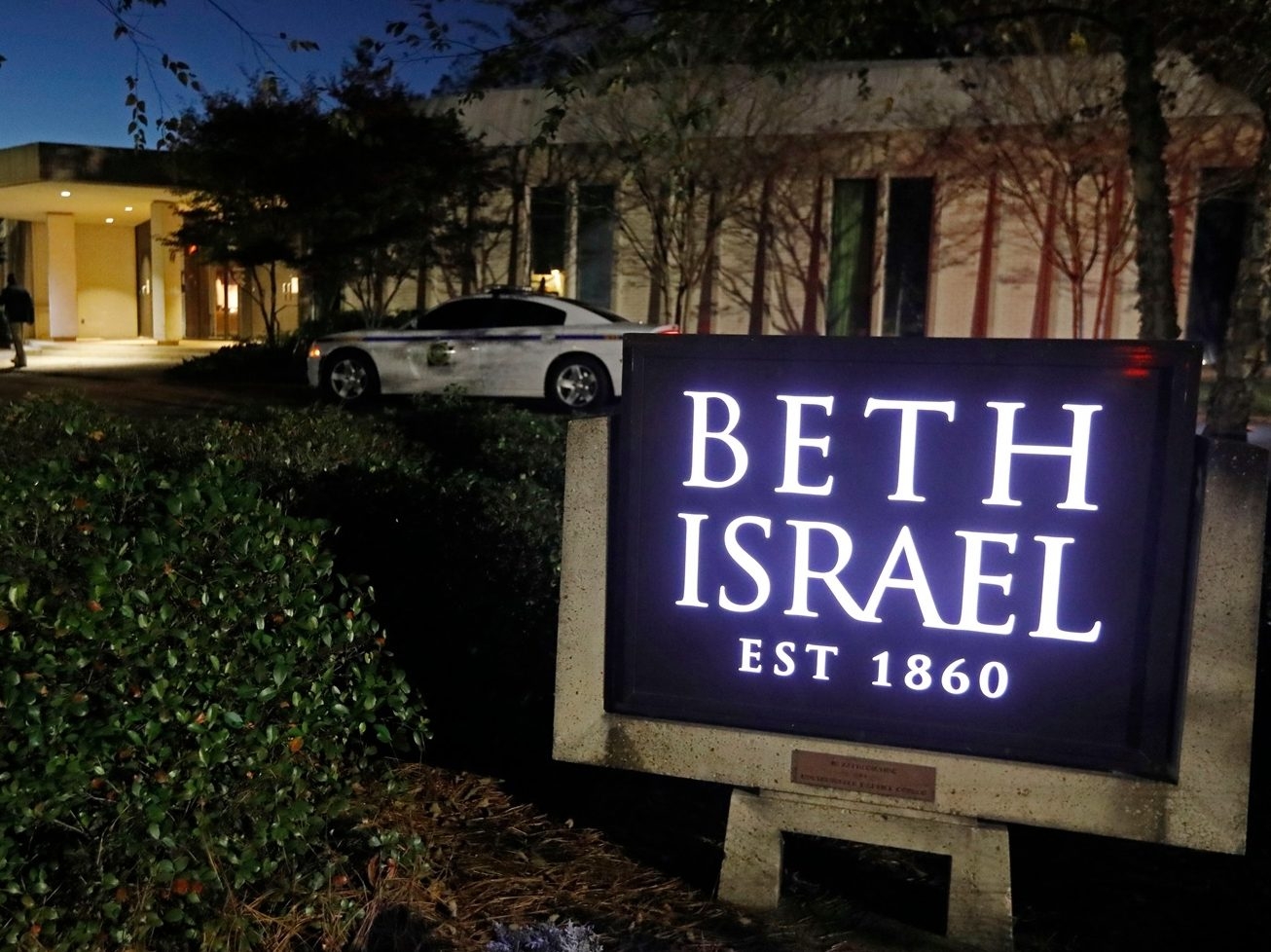
The fire, which erupted shortly after 3 a.m. on Saturday, caused significant damage to the 165-year-old synagogue’s library and administrative offices. Tragically, two treasured Torah scrolls within the library were destroyed, while five others were undergoing assessment for smoke damage. Remarkably, one Torah, shielded behind glass, survived – a poignant reminder of resilience in the face of adversity.
During a brief court appearance via video conference from a hospital bed – both hands visibly bandaged – Pittman offered a startling pronouncement: “Jesus Christ is Lord.” He faces a potential prison sentence of five to twenty years if convicted.
The Beth Israel Congregation, deeply shaken by the attack, responded with unwavering resolve. “This news puts a face and name to this tragedy, but does not change our resolve to proudly—even defiantly—continue Jewish life in Jackson in the face of hatred,” the congregation stated.
The scene at the synagogue was one of devastation. Yellow police tape cordoned off the entrances, surrounded by shattered glass and soot. Yet, amidst the wreckage, bouquets of flowers appeared, bearing messages of solidarity and sorrow, including a simple, heartfelt note: “I’m so very sorry.”
This attack isn’t an isolated incident for Beth Israel. The congregation has a history of facing down hatred, having been bombed by the Ku Klux Klan shortly after relocating to its current building in 1967. The home of Rabbi Perry Nussbaum, a staunch advocate for civil rights, was also targeted with a bomb just two months later.
Rabbi Nussbaum’s unwavering commitment to justice, even in the face of danger, defined his leadership. While some congregants wished he would remain silent during a time of intense racial segregation, he steadfastly believed in doing what was right, a conviction that inspired generations.
Despite the challenges, Beth Israel has remained a vital center for Jewish life in Mississippi’s capital city. It serves not only as a place of worship but also as the home of the Jewish Federation and the Institute of Southern Jewish Life, providing essential services and resources to Jewish communities across thirteen southern states.
The congregation’s president, Zach Shemper, has already vowed to rebuild, with numerous churches offering their spaces for worship during the reconstruction. The spirit of Beth Israel, forged in resilience and faith, remains unbroken, a beacon of hope in the heart of the Deep South.
For many, the synagogue represents more than just a building; it’s a symbol of a thriving Jewish community with deep roots in the region. As one historian noted, it’s the “flagship” synagogue in Mississippi, a testament to the enduring power of tradition and the unwavering determination to preserve Jewish life.