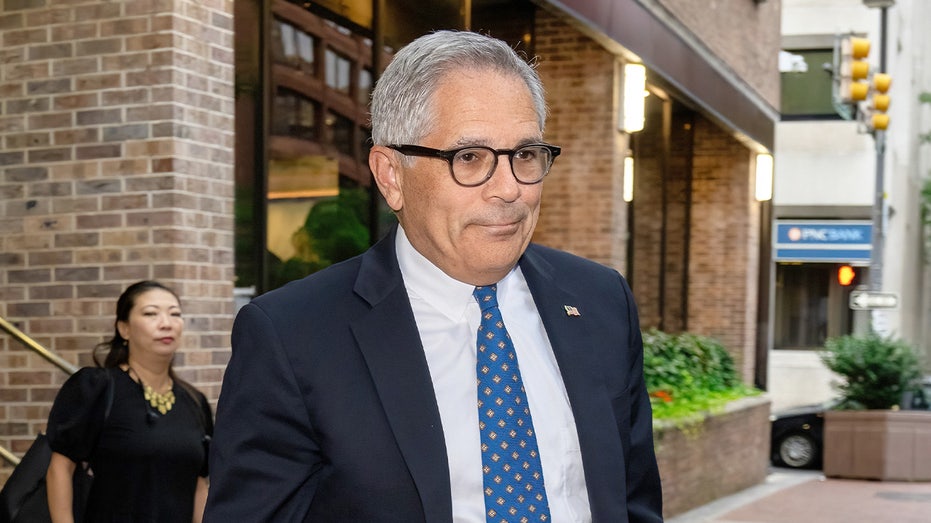
A defiant message from Philadelphia District Attorney Larry Krasner ignited a firestorm of criticism, drawing the attention of police organizations, conservative figures, and even the Department of Homeland Security. Krasner warned both ICE and the National Guard that any illegal actions taken within the city would be met with prosecution, a statement accompanied by a bold image and the internet slang “FAFO” – “f* around and find out.”
The phrase “FAFO,” once confined to online circles, has increasingly been adopted by supporters of former President Trump and used in political messaging as a stark warning to opponents. Krasner’s use of it, however, became a focal point for those already critical of his policies, which include reduced cash bail and a focus on police accountability.
The backlash was swift and intense. The Fraternal Order of Police National Vice President labeled Krasner’s approach as lenient towards violent criminals, while the National Police Association pointed to dropped charges as evidence of a permissive environment. The Department of Homeland Security responded with dismissive memes, seemingly brushing off the district attorney’s warning.
Critics also highlighted Krasner’s past funding from left-leaning donors, including George Soros, framing his statement as empty posturing. Many questioned why he hadn’t used similar language towards those he was elected to prosecute, suggesting his city’s struggles were a direct result of his policies.
Krasner’s post arrived amidst heightened federal law enforcement activity in Minnesota, specifically a large-scale fraud investigation and a fatal shooting involving ICE agents. The shooting of Renee Good, who authorities say used her vehicle as a weapon, sparked outrage from Democrats who labeled the incident “murder” and called for greater accountability.
The situation prompted Minnesota Governor Tim Walz to authorize the National Guard to support local law enforcement, a move reminiscent of former President Trump’s attempts to mobilize the Guard in other cities to address crime. The escalating tensions reveal a deepening divide over immigration enforcement and the limits of local authority versus federal power.
Legal arguments quickly surfaced, with some pointing to the Supremacy Clause of the U.S. Constitution, asserting that federal law overrides local law in cases of conflict. Krasner’s message, therefore, was seen by some as not only provocative but also legally questionable, further fueling the controversy.
Philadelphia Sheriff Rochelle Bilal also voiced strong criticism of ICE, characterizing the agency as lacking legitimacy and accusing them of violating both legal and moral standards following the shooting in Minnesota. This unified front from Democratic officials underscores a growing resistance to federal immigration enforcement tactics.