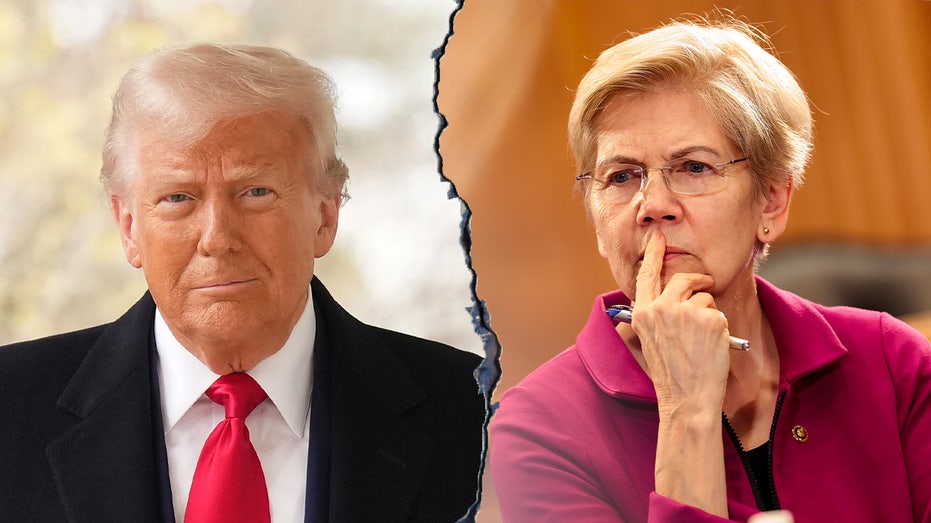
An unexpected dialogue is unfolding in Washington. President Trump, known for his staunch conservative stance, has begun reaching across the aisle – directly to progressive Democrats – with a surprising focus: affordability.
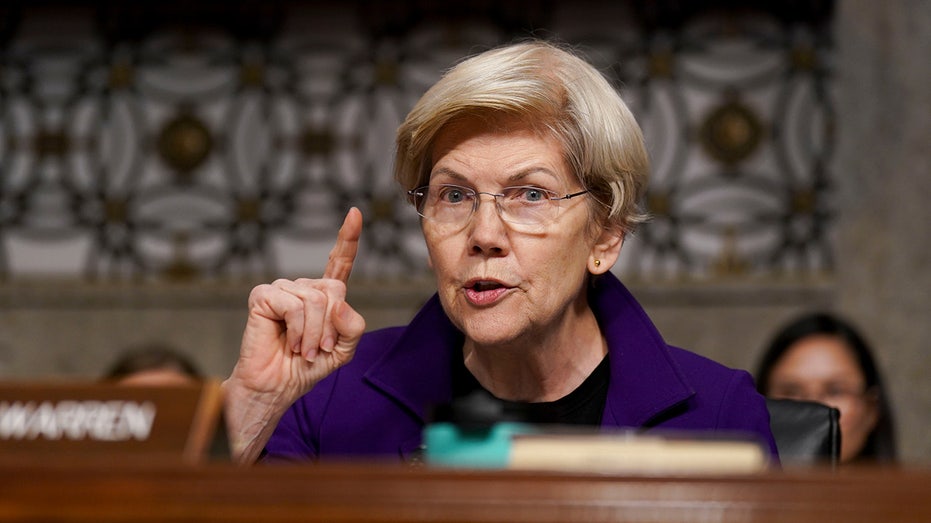
The catalyst? A phone call. Senator Elizabeth Warren, a vocal critic of the President, received a direct call from Trump shortly after delivering a passionate speech on the rising cost of living. Despite their previously frosty relationship, the two found common ground on a single, impactful issue: capping credit card interest rates.
Warren, who has championed this cause for years, revealed she immediately offered her support when Trump initially proposed a 10% cap a year ago. “I’m all in,” she stated, acknowledging the President’s belated attention to a problem she’s long fought to solve.
The White House frames this outreach as a deliberate disruption of the status quo. They assert Trump was elected to dismantle the “obsession with consensus orthodoxy” that has, in their view, failed the American people. This administration is signaling a willingness to challenge traditional political boundaries.
The conversation with Warren isn’t isolated. Trump recently welcomed New York City Mayor Zohran Mamdani – whom he previously labeled a “communist” – to the White House. The unlikely pair discussed strategies for lowering costs and improving affordability for citizens, discovering a shared vision for easing the financial strain on everyday Americans.
This shift in rhetoric comes after a series of off-year election results where Democrats successfully campaigned on affordability, winning key races in New York, New Jersey, and Virginia. Trump, acknowledging the potency of the issue, now insists “affordability” should be *his* defining term, not the Democrats’.
However, the path forward isn’t clear. Senate Republicans are expressing skepticism about any form of price controls on credit card interest rates, fearing it could restrict access to credit. Senator John Thune suggested such a cap could effectively turn credit cards into debit cards.
Despite the Republican hesitation, momentum is building. Sens. Josh Hawley and Bernie Sanders are already working on legislation to cap rates, and a bipartisan effort to boost competition among credit card networks, endorsed by Trump, is set for reintroduction.
Beyond credit cards, the administration is also taking action on housing costs, directing Fannie Mae and Freddie Mac to invest $200 billion in mortgage-backed securities to lower mortgage rates. Trump is even considering policies to limit large institutional investors from dominating the single-family housing market – a position previously advocated by Democrats.
As Trump prepares to visit Michigan to promote manufacturing, his focus on affordability signals a potential reshaping of the political landscape. He’s attempting to reclaim an issue that resonated with voters in recent elections, and in doing so, forging unexpected alliances and challenging established norms.


![Alito SHATTERS Gender Ideology with One Devastating Question! [LISTEN NOW]](https://www.thegatewaypundit.com/wp-content/uploads/2026/01/alito-1200x630.jpg)
