The latest economic report revealed a subtle shift in the nation’s financial landscape: inflation held steady last month, a detail quickly seized upon by the current administration. The Consumer Price Index, a key measure of everyday expenses, rose a modest 0.3% in December, remaining at 2.7% over the past year.
Digging deeper, the “core” CPI – excluding volatile food and energy costs – showed a similar trend, increasing 0.2% from November to December and 2.6% year-over-year. These figures arrived as concerns about the cost of living continue to weigh heavily on American households.
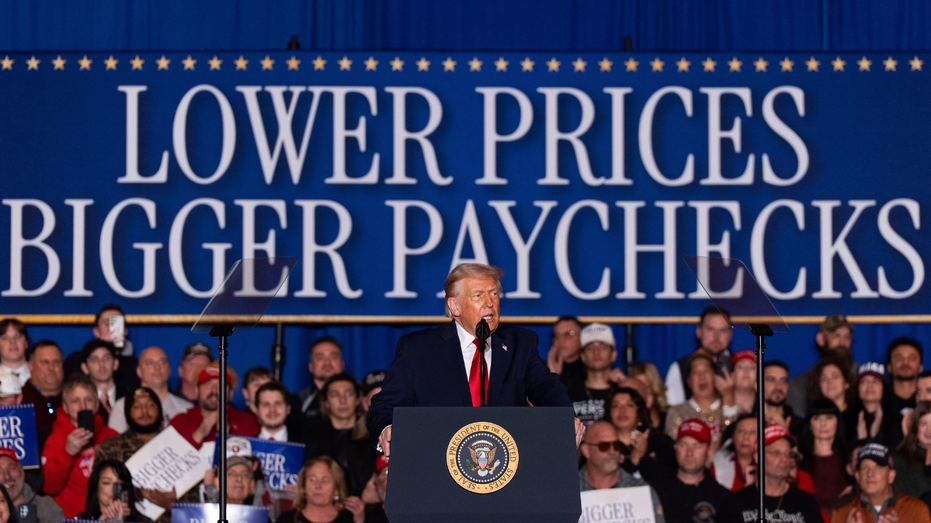
The data’s release coincided with a planned address by the President in a crucial midterm election state, where he intended to highlight the perceived economic improvements. He argued the numbers demonstrated a strong economy and “very low inflation,” a message aimed at bolstering public confidence.
The issue of affordability has dramatically reshaped the political arena. Previous election cycles saw a surge in support for candidates promising relief from rising prices, leading to significant shifts in power. The focus on economic anxieties proved decisive in recent votes.
However, opposing voices contend that the current administration’s efforts haven’t gone far enough. Critics point to ongoing struggles for working families and a perceived lack of urgency in addressing the root causes of price increases.
The debate extends beyond simple statistics. Both sides are actively framing the narrative around affordability, attempting to connect with voters deeply concerned about their financial well-being. The upcoming midterm elections are viewed as a critical test of which message resonates most strongly.
While the latest inflation figures were slightly lower than some economists predicted, they still remain above the Federal Reserve’s target rate. This leaves policymakers grappling with the possibility of further adjustments to monetary policy, a move actively encouraged by some within the administration.
The conversation isn’t just about national trends; it’s about tangible impacts on everyday life. Discussions center on the price of gasoline, groceries, and essential services – the very things families notice most at the checkout counter and the gas pump.
Strategists on both sides acknowledge the enduring importance of affordability as a defining issue. The ability to convincingly address voters’ economic anxieties will likely determine the outcome of the upcoming elections and shape the political landscape for years to come.
Recent polls consistently show a widespread concern among Americans regarding high prices, a sentiment that has fueled political debate and driven voter behavior. The cost of living remains a central focus, influencing decisions at the ballot box and shaping the national conversation.

![Alito SHATTERS Gender Ideology with One Devastating Question! [LISTEN NOW]](https://www.thegatewaypundit.com/wp-content/uploads/2026/01/alito-1200x630.jpg)
