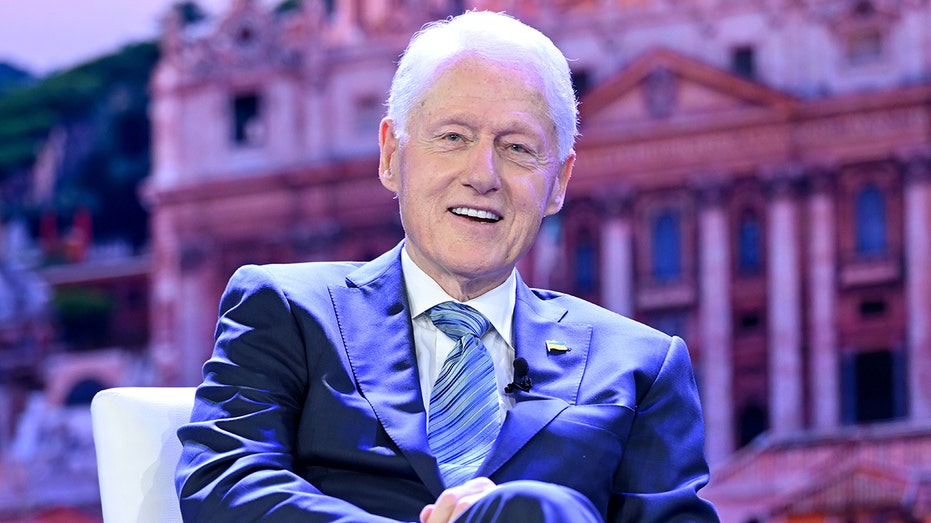
The House Oversight Committee anticipated a significant showdown Tuesday morning, one that ultimately didn't materialize. Former President Bill Clinton, compelled by a congressional subpoena, was scheduled to provide a closed-door deposition as part of the bipartisan investigation into Jeffrey Epstein. However, he did not appear.
Chairman James Comer, leading the Republican effort, had issued a stark warning: defiance of the subpoena would trigger contempt of Congress proceedings. True to his word, Comer announced the committee would move forward with that action next week, emphasizing the subpoena’s bipartisan origins. He stressed the inquiry wasn’t about accusations of wrongdoing, but simply seeking answers.
The absence of any Democratic lawmakers at the deposition underscored the deepening partisan divide surrounding the investigation. Comer noted that not a single member from the opposing party attended, even as he reiterated the committee’s desire for clarity regarding Epstein’s network.
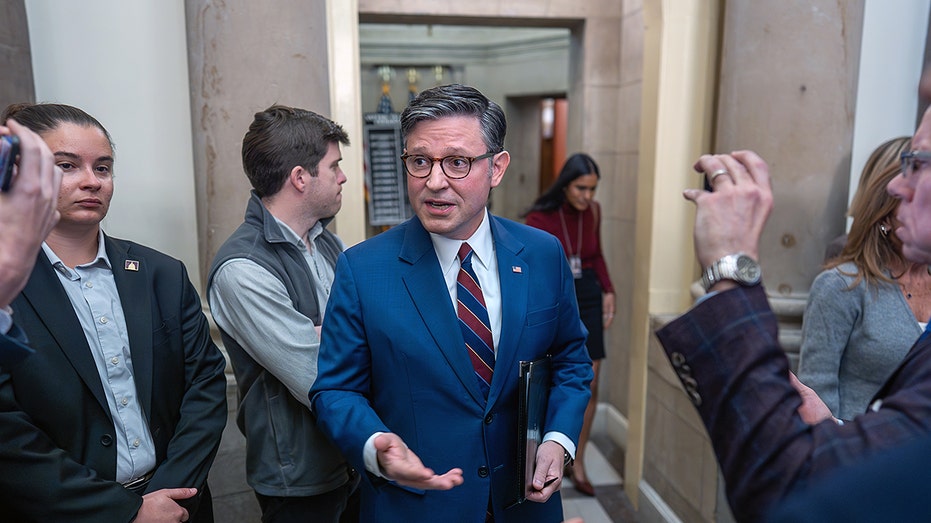
Several Republican representatives – including Lauren Boebert, Andy Biggs, and Tim Burchett – were present, signaling the seriousness with which the party was approaching the matter. The focus, however, remained on Clinton’s conspicuous absence and the looming threat of a contempt vote.
Hillary Clinton, also subpoenaed, is expected to follow suit and decline to appear for her scheduled deposition on Wednesday. The Clintons’ legal team has already launched a challenge, deeming the subpoenas “invalid and legally unenforceable.”
The attorneys’ letter sharply criticized Comer’s leadership, accusing him of overstepping constitutional boundaries and diverting attention from a genuine pursuit of information. They argued the former President and Secretary of State had already voluntarily provided all relevant information they possessed regarding Epstein and Ghislaine Maxwell.
The letter suggests a deliberate attempt to create a distraction, questioning whether the true goal is to obstruct justice for Epstein’s victims. It paints a picture of a politically motivated investigation, lacking a legitimate legislative purpose.
Comer indicated he would consider pursuing contempt proceedings against Hillary Clinton as well, should she also defy the subpoena. The next step involves a vote by the full House to determine whether to refer the former President for criminal charges.
A criminal contempt of Congress charge carries potential penalties of up to a year in jail and a $100,000 fine. However, Representative Burchett expressed skepticism that the Department of Justice would actively pursue such a referral, citing past disappointments with the agency’s actions.
The subpoenas issued to the Clintons were part of a broader effort, initially targeting ten individuals, stemming from a unanimous bipartisan vote last year. While Clinton had a known association with Epstein, he has never been implicated in any wrongdoing related to the case.
The unfolding situation raises fundamental questions about the limits of congressional power and the potential for political maneuvering within a high-profile investigation. The coming weeks promise a contentious battle over accountability and the pursuit of truth surrounding the Epstein scandal.