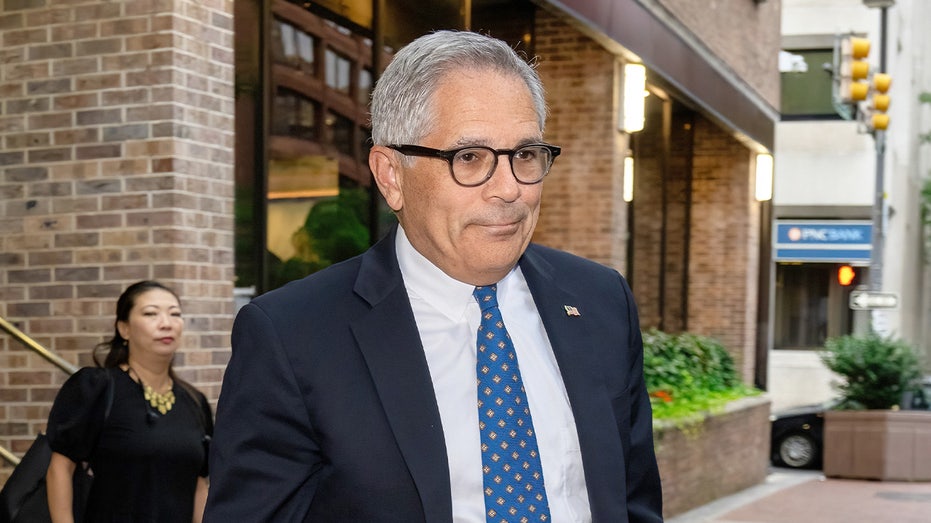
A defiant message from Philadelphia District Attorney Larry Krasner ignited a firestorm of criticism, drawing the attention of police organizations, conservative figures, and even the Department of Homeland Security. Krasner warned both ICE and the National Guard that any illegal actions taken within the city would be met with prosecution, a statement accompanied by a bold image and the internet slang “FAFO” – “f* around and find out.”
The phrase “FAFO,” once confined to online circles, has increasingly been adopted by supporters of former President Trump and used in official messaging as a stark warning to opponents. Krasner’s use of it, however, became a focal point for those already critical of his policies, which include reduced cash bail and a focus on police accountability.
The backlash was swift and intense. The National Fraternal Order of Police Vice President labeled Krasner’s approach as lenient towards violent criminals, while the National Police Association pointed to dropped charges as evidence of a permissive environment. The Department of Homeland Security responded with dismissive memes, seemingly brushing off the district attorney’s warning.
Critics accused Krasner of hypocrisy, noting his perceived reluctance to aggressively prosecute local criminals while readily challenging federal authorities. Some pointed to past financial support from left-leaning donors, fueling accusations of a politically motivated stance. The debate quickly escalated, with accusations of “cringe” posturing and a misunderstanding of the Supremacy Clause of the U.S. Constitution.
Krasner’s statement arrived amidst heightened federal law enforcement activity in Minnesota, specifically a large-scale fraud investigation and a fatal shooting involving ICE agents. The shooting of Renee Good, who authorities claim used her vehicle as a weapon, sparked outrage among Democrats and calls for accountability.
The incident prompted a wave of criticism from Democratic lawmakers, with some even labeling the shooting a “murder.” Minnesota’s governor authorized the National Guard to support local law enforcement, a move mirroring Trump’s past attempts to mobilize the Guard in other cities to address crime concerns.
Philadelphia’s Sheriff also voiced strong condemnation of ICE, questioning their legitimacy and accusing them of violating both legal and moral standards. This confluence of events – a controversial statement, a tragic shooting, and escalating political tensions – underscored a growing divide over immigration enforcement and the limits of local authority.
The situation highlights a broader struggle over the balance of power between federal and local law enforcement, and the increasingly charged rhetoric surrounding immigration and public safety in the United States.