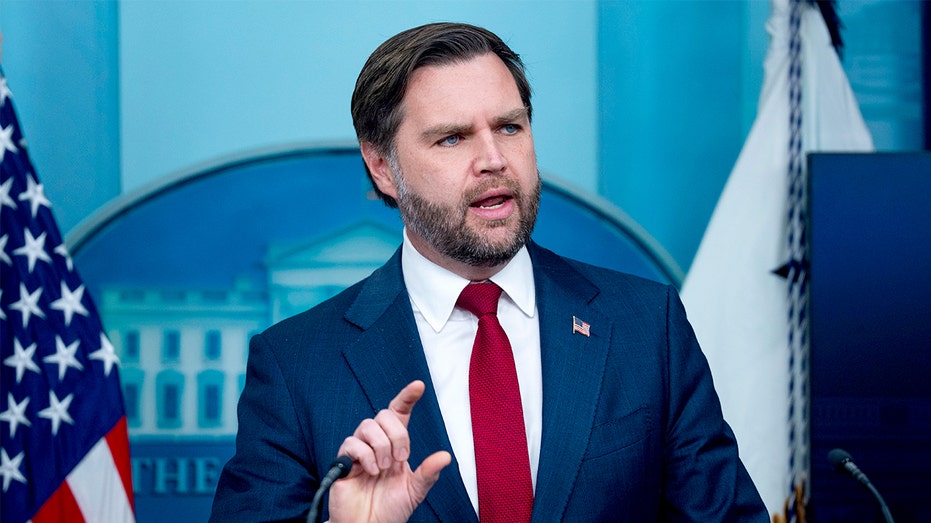
A stark reversal is unfolding in the debate over federal immigration enforcement, with Vice President JD Vance and U.S. Immigration and Customs Enforcement (ICE) directly challenging accusations leveled by sanctuary city officials. They argue that the visible friction and protests aren’t a result of ICE actions, but rather a consequence of defiance towards federal law.
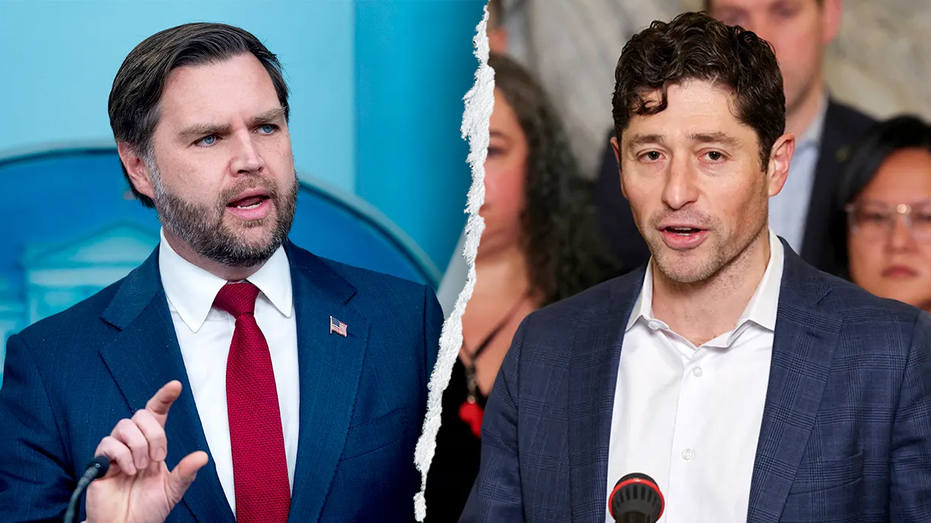
Vance recently stated that the heightened ICE presence and resulting unrest are concentrated in cities actively resisting federal cooperation. He contends that the “chaos” isn’t instigated by the agency, but by “leaders” seemingly prioritizing public disruption over upholding the law.
ICE echoed this sentiment, asserting that the level of disruption directly correlates with local leadership’s willingness – or unwillingness – to collaborate. In areas where local authorities actively assist ICE in protecting their communities, operations proceed smoothly and without the violent demonstrations seen elsewhere.
The current tensions were ignited following a fatal shooting in Minneapolis involving a federal agent and Renee Nicole Good, a member of a group actively monitoring and opposing ICE operations. Good allegedly attempted to strike agents with her vehicle before being shot.
Minneapolis Mayor Jacob Frey immediately condemned ICE following the incident, issuing a forceful demand for agents to leave the city. He subsequently accused the federal government of deliberately targeting Minneapolis due to its Democratic leadership, claiming a surge of “thousands” of agents was politically motivated.
However, Department of Homeland Security Assistant Secretary Tricia McLaughlin presented a different perspective. She explained the increased federal presence in Minneapolis and other sanctuary cities is a direct response to local law enforcement refusing access to jails.
This refusal, McLaughlin emphasized, prevents ICE from apprehending dangerous criminals already in custody – including individuals accused of murder, kidnapping, and crimes against children. Consequently, ICE is forced to locate and arrest these individuals on the streets, without local assistance.
The lack of cooperation extends to emergency situations, with local law enforcement unable to provide backup when federal agents are attacked or obstructed. McLaughlin warned this creates a dangerous environment for both officers and the public.
Currently, Minnesota is holding over 1,360 individuals with violent criminal histories who are in the country without legal authorization. McLaughlin argues that reversing sanctuary policies would significantly enhance public safety and protect law enforcement by preventing the release of these individuals back into communities.
The situation highlights a fundamental clash between federal immigration enforcement and the policies of cities and states that limit cooperation with ICE, raising critical questions about public safety and the rule of law.