The air hangs thick with incense and centuries of whispered prayers. Manila, a city pulsing with modern life, also cradles a remarkable collection of churches – silent witnesses to the Philippines’ rich and complex history. A *Visita Iglesia*, the traditional Holy Week pilgrimage to seven churches, is more than just a religious observance; it’s a journey through art, architecture, and the enduring faith of a nation.
Begin at San Agustin Church in Intramuros, a UNESCO World Heritage site. Its baroque facade, seemingly untouched by time, belies the resilience within. This church survived countless earthquakes and the devastation of World War II, standing as a powerful symbol of unwavering spirit.
Step inside and be captivated by the intricate carvings adorning the ceiling and the opulent gilded retablo. Sunlight streams through stained-glass windows, illuminating the stories etched into every surface. It’s a space designed to inspire awe and contemplation.
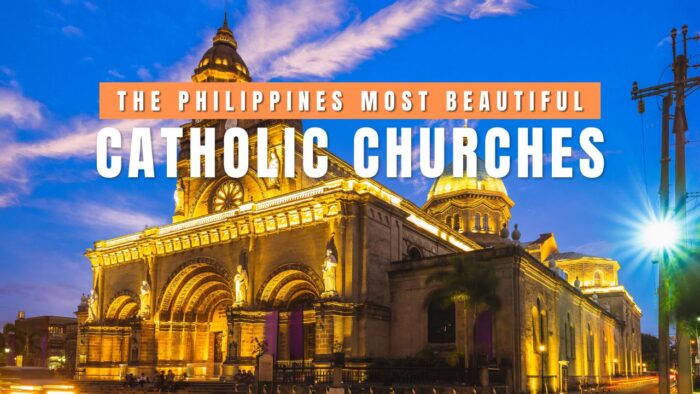
Next, journey to Manila Cathedral, officially known as the Cathedral-Basilica of the Immaculate Conception. This isn’t the original structure; it’s risen from the ashes multiple times, each rebuilding reflecting the era’s architectural style. Its current neo-Romanesque design is a testament to perseverance.
The cathedral has been a silent observer to pivotal moments in Philippine history, from national celebrations to times of profound sorrow. Imagine the echoes of past ceremonies and the weight of history held within its walls.
Explore the unassuming beauty of Santa Ana Church, one of the oldest churches in Manila. Its vibrant baroque interior, painted in shades of gold and crimson, offers a striking contrast to the more austere exteriors of some other churches.
Don't miss the intricate details of the church’s side altars and the delicate artistry of its religious statues. Santa Ana Church feels less like a grand monument and more like a cherished community space.
Venture to the Binondo Church, formally known as the Minor Basilica of Saint Lorenzo Ruiz. This church honors the first Filipino saint, a testament to the nation’s growing devotion and spiritual identity.
The church’s architecture blends Chinese and Spanish influences, reflecting the unique cultural tapestry of Binondo, the world’s oldest Chinatown. It’s a fascinating example of how faith adapts and evolves within different communities.
San Sebastian Church presents a truly unique spectacle – a steel church constructed entirely from prefabricated metal sheets. Shipped from Belgium in the late 19th century, it stands as a remarkable feat of engineering and a striking departure from traditional church designs.
The interior, bathed in the soft glow of stained glass, creates an ethereal atmosphere. It’s a testament to innovation and a reminder that faith can find expression in unexpected forms.
The National Shrine of the Sacred Heart of Jesus offers a more modern architectural experience. Its soaring arches and minimalist design create a sense of spaciousness and serenity, inviting quiet reflection.
The shrine’s focus on the Sacred Heart of Jesus emphasizes themes of love, compassion, and redemption. It’s a place to find solace and connect with a deeper sense of spirituality.
Finally, consider a journey beyond Manila to Romblon, to discover Saint Joseph Cathedral. As the oldest Roman Catholic Church in Romblon, it stands as a beacon of faith and a testament to the enduring power of religious tradition in the islands.
Each church in the Philippines, from the grand cathedrals of Manila to the humble chapels in remote villages, tells a story. A *Visita Iglesia* isn’t simply about ticking off locations; it’s about immersing yourself in the heart and soul of a nation, and discovering the beauty and resilience of the human spirit.