Behind closed doors, a sharp clash erupted as officials from the previous administration reacted to a lawsuit filed by Chicago and Illinois. The suit challenged federal immigration enforcement tactics, igniting a firestorm of criticism and accusations of hypocrisy.
Chicago and Illinois alleged a pattern of overreach, claiming federal agents engaged in unlawful interrogations, deployed irritants in public spaces, and made arrests without proper warrants. The core of their argument centered on what they described as a blatant disregard for constitutional rights.
A high-ranking Department of Homeland Security official countered with a stinging rebuke, suggesting a sudden embrace of federalism by those who previously sought expanded federal control. The official pointed to a perceived inconsistency in the Democrats’ constitutional interpretation.
The argument hinged on the 10th Amendment, which reserves powers not explicitly granted to the federal government to the states or the people. Officials questioned why this amendment was invoked now, after previous attempts to broaden federal authority.
Beyond the legal arguments, a deeply personal tragedy was brought into the fray. Officials highlighted the case of Katie Abraham, a young woman killed by a driver in the country illegally, arguing that the focus should be on protecting citizens from violent crime.
Operation Midway Blitz, a DHS initiative, had previously been dedicated to Abraham’s memory. The driver, Julio Cucul-Bol, initially provided false information to authorities, further fueling the debate surrounding immigration and public safety.
The administration’s response didn’t stop there. A spokesperson characterized the lawsuit as a “pathetic stunt,” asserting that the plaintiffs prioritized the rights of those in the country illegally over the safety of law-abiding citizens.
Chicago’s complaint specifically targeted what it called “arbitrary enforcement actions” near sensitive locations like schools and shelters. The city also alleged that the federal government was attempting to coerce Illinois and Chicago into abandoning their pro-immigrant policies.
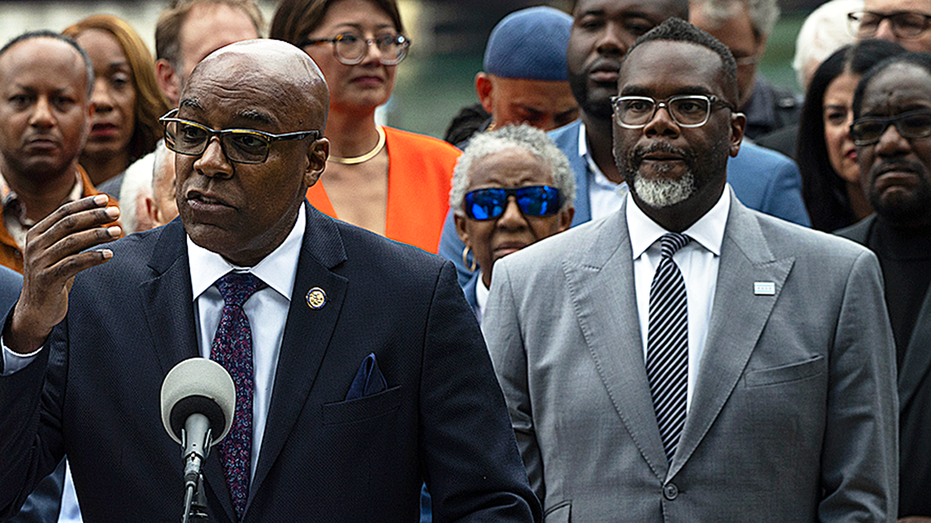
Mayor Johnson condemned the federal actions as “cruel” and a violation of the law, emphasizing the principle that no one is above the law. He asserted the city’s right to protect its residents and uphold public trust.
Illinois’ Attorney General echoed these sentiments, stating that Border Patrol and ICE were acting as “occupiers” rather than law enforcement officers. He framed the lawsuit as a defense of both public safety and state sovereignty.
Chicago’s legal counsel affirmed that the city had amassed substantial evidence of these alleged unlawful actions. They vowed to pursue every available legal avenue to safeguard the public and challenge the federal government’s practices.
The legal battle promises a rigorous examination of the boundaries between federal and state authority, and a stark confrontation over the rights of immigrants and the responsibilities of government. The stakes are high, and the outcome could reshape the landscape of immigration enforcement for years to come.