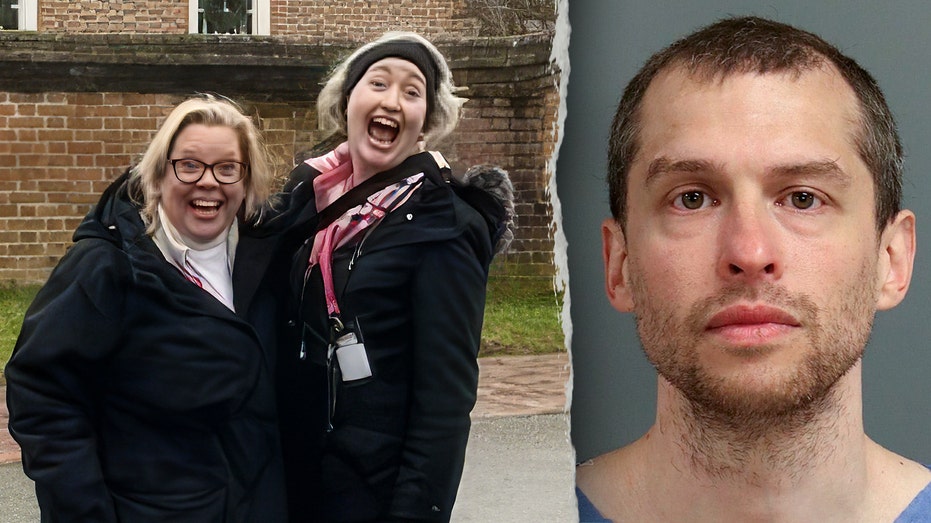
The frantic voice crackled through the 911 line, a desperate plea cutting through the early morning stillness. Zoe Welsh, a beloved teacher, was facing a terrifying intrusion – a man had broken into her Raleigh home. Her words, calm yet laced with fear, painted a horrifying scene unfolding in real-time.
“A man just broke in through the window,” she reported, identifying her attacker as a homeless man she’d seen before. The intruder was still inside, she said, his presence a looming threat within the sanctuary of her own home. Then came the chilling detail: “He hit me with a brick. I am on the floor in my bedroom.”
Police arrived within minutes, responding to the burglary call, but found a scene of unimaginable violence. Welsh was critically injured, clinging to life as officers worked desperately to provide aid. Despite their efforts, and a frantic rush to the hospital, she succumbed to her injuries, leaving a community shattered.
The suspect, identified as Ryan Camacho, was apprehended nearby without incident. He now faces charges of murder and felony breaking and entering, accused of acting with deliberate malice. The arrest, however, offered little solace to a community reeling from the loss of a cherished educator.
Raleigh’s Police Chief expressed profound heartbreak, acknowledging the devastating impact of the tragedy on everyone who knew Welsh. He lauded the swift response of his officers, but the underlying grief was palpable – a stark reminder of the fragility of safety and peace.
Court records reveal a disturbing pattern in Camacho’s history. He is a repeat offender, his interactions with the criminal justice system spanning over a decade. Arrests, charges, and brief periods of incarceration had become a recurring cycle, raising difficult questions about public safety and the effectiveness of current systems.
Many previous cases against Camacho were ultimately dropped, and even when convicted, his sentences were often followed by periods of post-release supervision and probation. A 2019 incident involving gunfire directed at a home resulted in felony charges, later reduced through a plea deal to a two-year prison sentence.
However, Camacho’s release didn’t mark the end of the story. He violated the terms of his supervision, leading to a return to prison and a total of five and a half years behind bars. Details surrounding his mandated post-release care remain confidential, shielded by privacy laws.
Beyond the legal complexities, Zoe Welsh was remembered as a beacon of joy and positivity. Friends and colleagues spoke of her infectious humor and unwavering dedication to her students. “She brought joy and humor to every room she was in,” one friend recalled, emphasizing Welsh’s philosophy of choosing happiness.
Welsh’s death has ignited a fierce debate among state leaders, focusing on the balance between mental health support and public safety. Some advocate for increased investment in mental and behavioral health services as a preventative measure, while others criticize what they perceive as lenient treatment of repeat offenders.
The tragedy has forced a difficult conversation about accountability and the protection of communities. Questions linger about whether existing systems are adequately equipped to address the challenges posed by individuals with a history of violent crime, and whether more can be done to prevent such devastating losses.