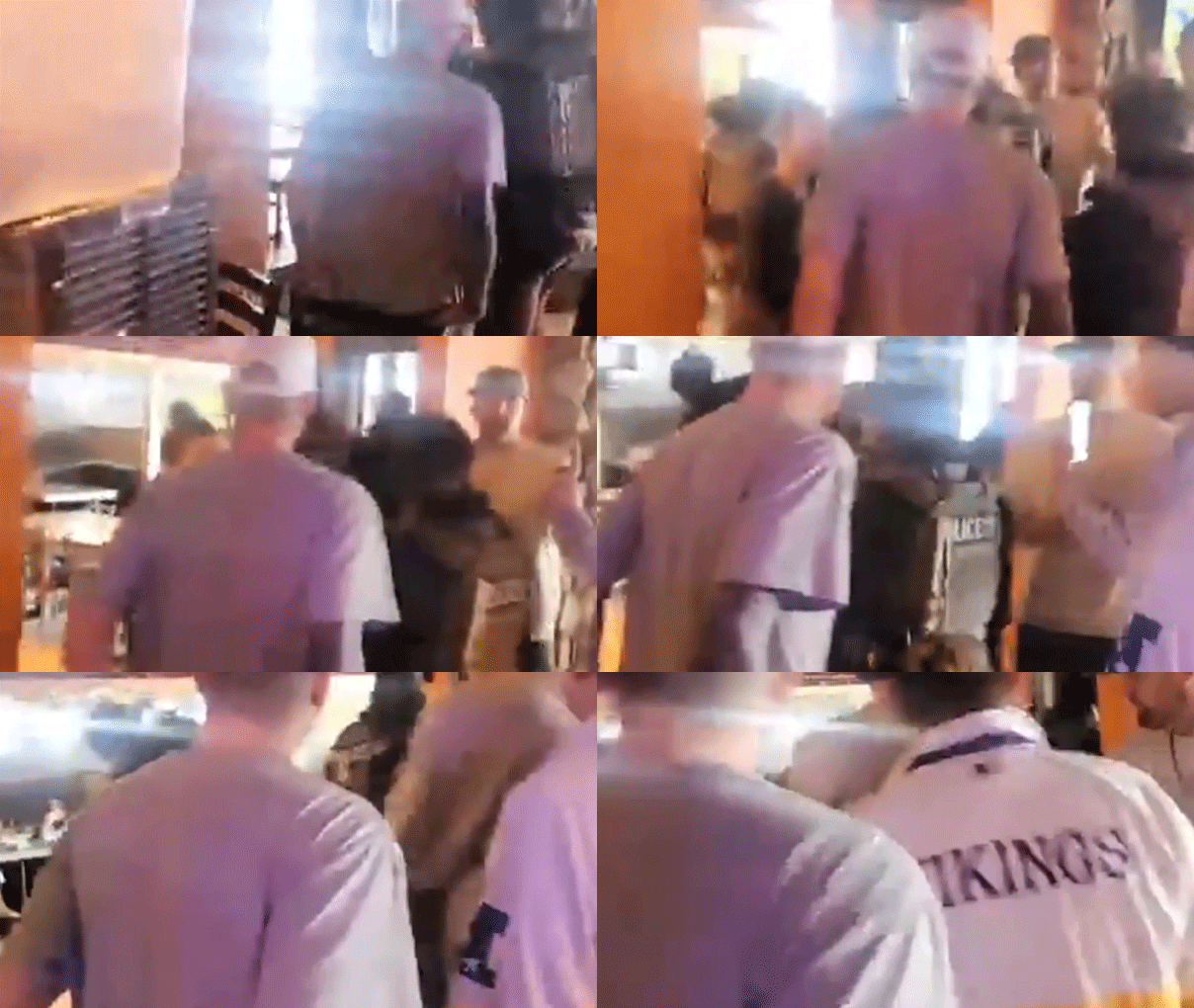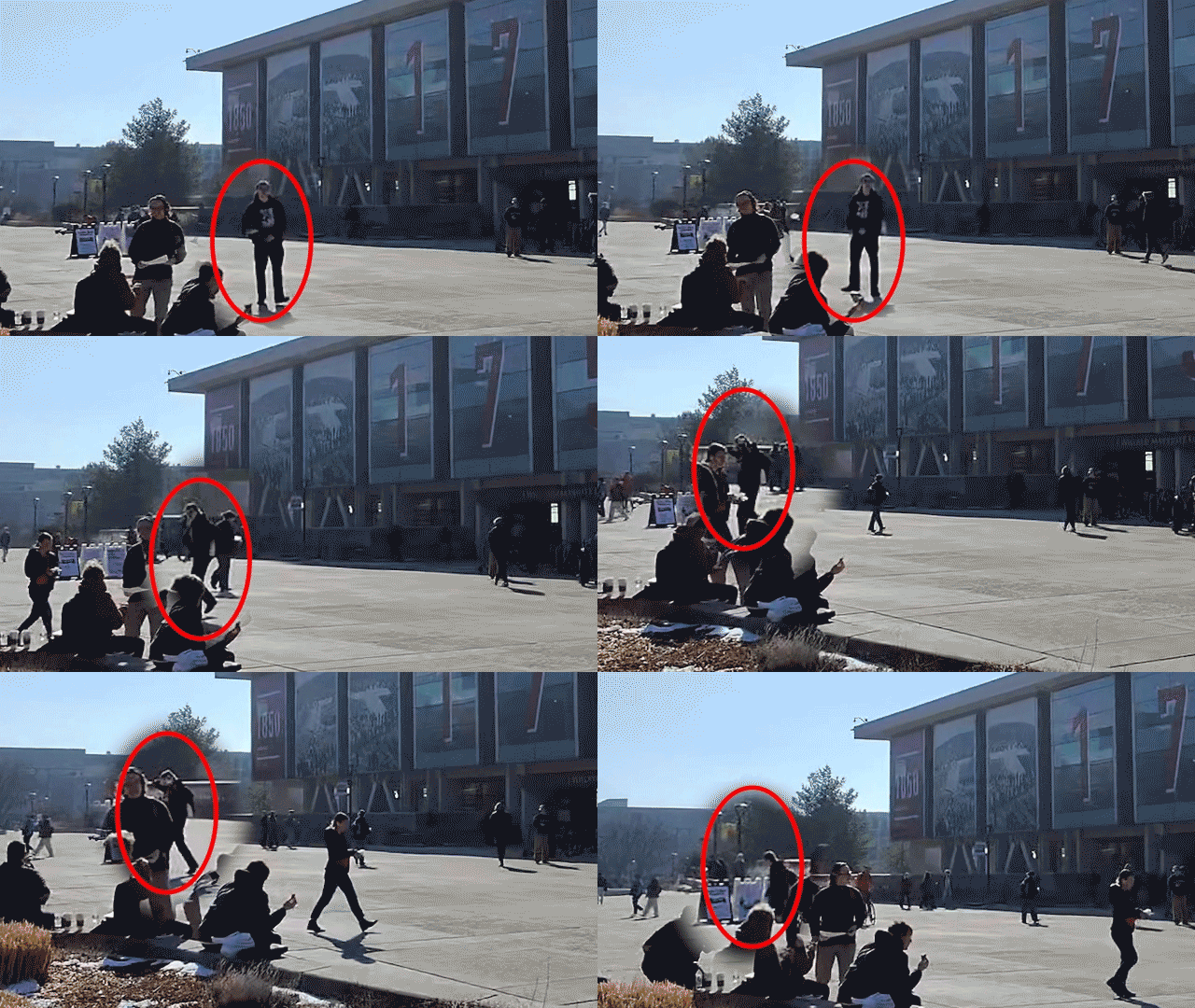
A chilling scene unfolded at the University of Utah Monday, culminating in the arrest of a 21-year-old student. A viral video captured the student allegedly making gun gestures and issuing threats against speakers during a public debate, igniting immediate concern and prompting swift police action.
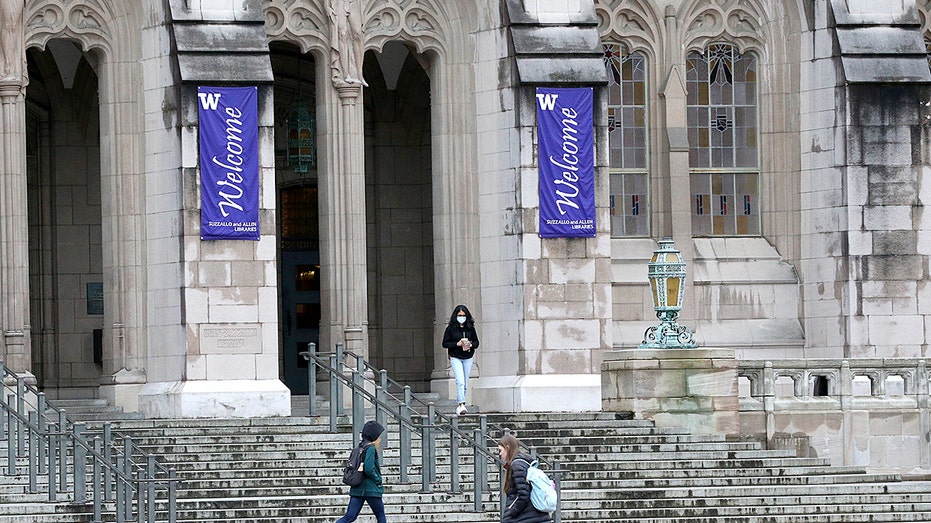
The incident occurred as representatives from Reawaken USA, a conservative organization engaging in a campus tour, were debating political issues outside the Marriott Library. Witnesses described a sudden and disturbing escalation as the student approached, unleashing a torrent of hateful language.
“He called us ‘Nazi pigs,’ and started saying that someone should shoot us in the neck,” recounted James Owen, founder and CEO of Reawaken USA. The verbal assault quickly morphed into menacing physical gestures, with the student repeatedly mimicking firing a weapon at the speakers.
Aden Nicholas, a 19-year-old speaker with Reawaken USA, vividly recalled the moment: “Holy s---, did you see that?” The student’s actions weren’t isolated; he reportedly continued the threatening motions even after briefly retreating into the crowd, escalating the fear and prompting a rapid response from University of Utah Police.
University officials confirmed the arrest of Dean Stewart, charging him with disorderly conduct, making threats, and disobeying a lawful order. The charges stem directly from his disruptive behavior, including explicitly stating the speakers “should be shot in the neck” and simulating shooting them with a rifle.
The incident carries a particularly heavy weight, resonating with the recent and tragic assassination of Charlie Kirk, founder of Turning Point USA. The student reportedly referenced Kirk, adding another layer of unease to an already volatile situation.
Despite the frightening encounter, a surprising element emerged from the chaos. One student, witnessing the escalating aggression, intervened, attempting to de-escalate the situation before it spiraled further. This act of courage offered a glimmer of hope amidst the hostility.
Owen noted the impact of this intervention, stating, “Security heard them say, ‘hey dude, I know we don't agree with these guys, but they seem really nice. I don't think you should do that.’” This spontaneous act of empathy underscored a desire for dialogue, even in the face of strong disagreement.
The following day, Reawaken USA continued their tour, and witnessed an even more remarkable turn of events. Over 150 students, initially skeptical, returned after independently researching the issues debated, seeking further engagement and understanding.
“They came right up and said, ‘James, we looked up all the statistics. We can see it.’ … What can we do?’” Owen shared, describing the students’ eagerness to participate in constructive conversation. This unexpected response fueled Reawaken USA’s mission to bridge divides and foster truth.
Founded in the wake of Charlie Kirk’s death, Reawaken USA aims to cultivate a new generation of cultural leaders. Owen felt compelled to create an organization that wouldn’t simply replace Kirk’s voice, but would instead empower others to engage in meaningful discourse.
The organization’s campus tour, encompassing 32 stops across states like Utah, California, New York, and Pennsylvania, is designed to spark debate and encourage critical thinking. It’s a mission that resonated deeply with Aden Nicholas, a young political strategist eager to contribute to a more civil and informed national conversation.
Nicholas, who had previously hesitated to engage in campus debates due to concerns for safety, found himself drawn to Reawaken USA’s commitment to open dialogue. He believes that fostering these conversations, even with those holding opposing views, is crucial for the future of American society.
Reawaken USA isn’t focused on winning arguments, but on fostering understanding. The events at the University of Utah, while alarming, ultimately highlighted the potential for connection and the enduring power of respectful exchange, even amidst deep-seated ideological differences.