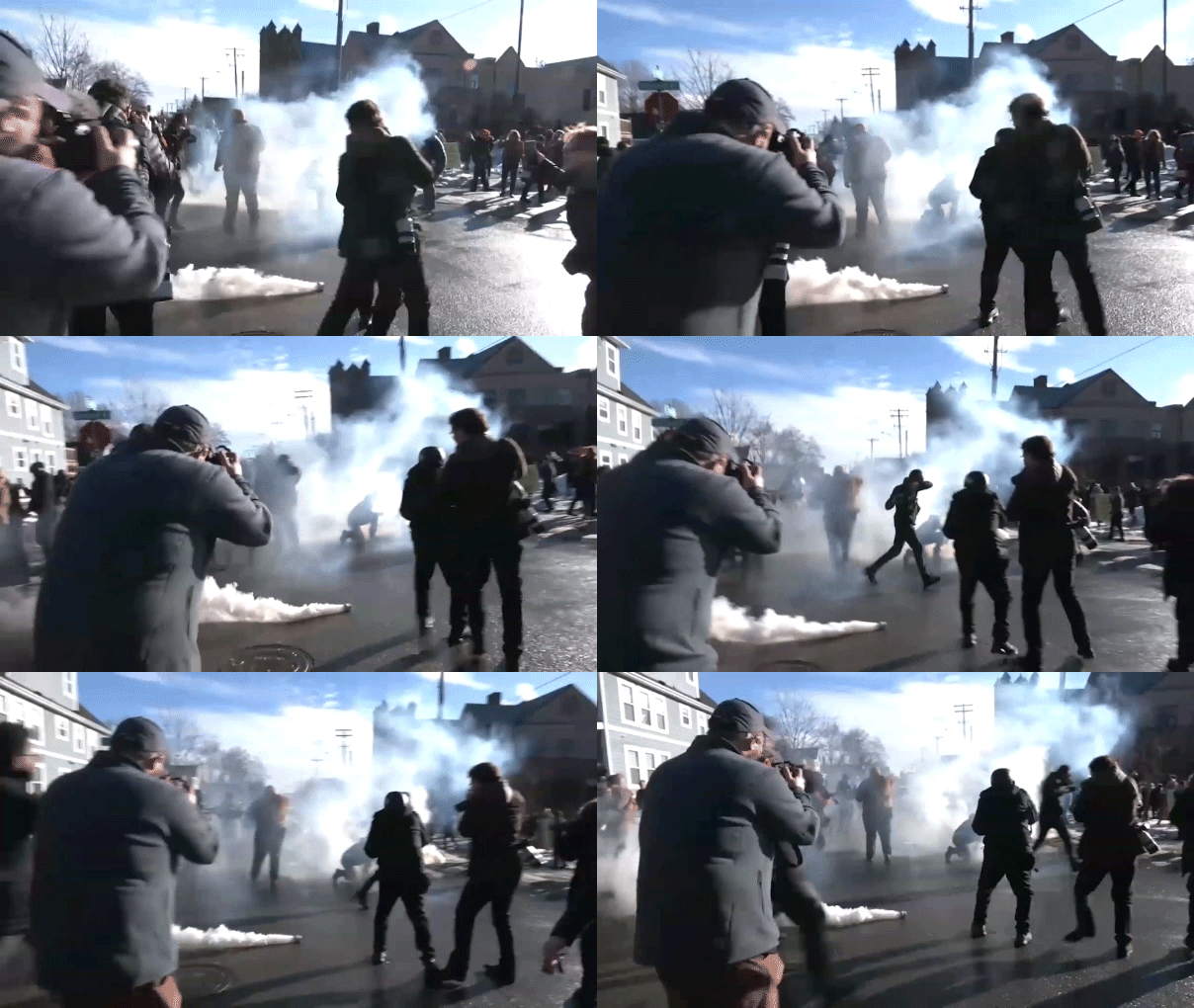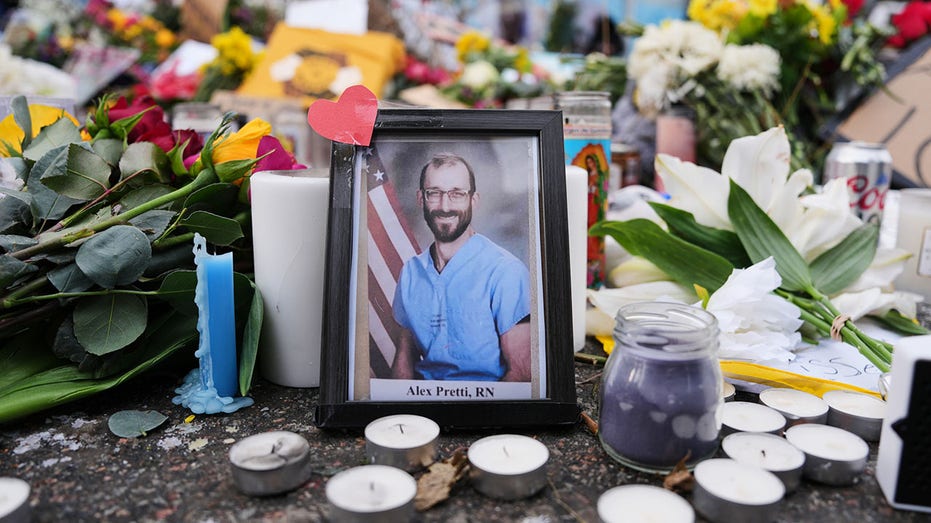
A Minneapolis street became the scene of a tragedy over the weekend, sparking a federal investigation into the fatal shooting of Alex Pretti by U.S. Border Patrol agents. The core question now revolves around a terrifying misinterpretation: did the agents genuinely believe their lives were under threat when they opened fire?
Initial reports suggested Pretti was brandishing a weapon during immigration enforcement operations. However, a disturbing possibility has emerged – an accidental discharge of Pretti’s own Sig Sauer P320 pistol, while in the custody of an agent, may have triggered the deadly response. The weapon had been taken from Pretti shortly before the shooting.
Pretti, a dedicated ICU nurse with the Department of Veterans Affairs and a legally permitted firearm owner, was struck approximately ten times and pronounced dead at the scene. The chaotic circumstances suggest a rapid escalation fueled by confusion and fear.
According to sources close to the investigation, the incident began when Pretti intervened to help another protester who had been forcibly pushed by law enforcement. This act of assistance quickly led to a physical altercation with the agents, culminating in Pretti being disarmed.
A crucial detail has surfaced: the accidental discharge. One source explained that with multiple weapons already drawn, the sound of the accidental firing created the immediate impression of an active shooting, prompting the agents to react defensively. It was a catastrophic error with devastating consequences.
Homeland Security Secretary described the situation differently, stating Pretti “violently resisted” arrest and that the agent fired out of genuine fear for his life. This conflicting narrative underscores the complexity and sensitivity of the investigation.
Adding another layer to the tragedy, sources reveal the agents involved were reportedly overworked and lacked adequate training for the types of confrontations they were facing. They were assigned to enforcement duties for which they were ill-prepared.
“None of those agents should’ve had their gun out,” one source stated bluntly. “It’s a confluence of them being asked to do enforcement work that they are not trained for.” The sentiment highlights a systemic issue of mismatched skills and escalating tensions.
The situation unfolded against a backdrop of increasingly violent clashes between federal authorities and anti-ICE protesters. The arrival of a federal “border czar” in Minnesota signals the gravity of the situation and the potential for further unrest.
This incident raises profound questions about training, protocol, and the use of force in rapidly evolving and highly charged situations. The investigation will undoubtedly scrutinize every detail to determine exactly what went wrong and how to prevent similar tragedies in the future.