Former President Bill Clinton and Hillary Clinton have announced they will defy a congressional subpoena, escalating a political battle over their connection to the late Jeffrey Epstein. The couple released a strongly worded letter, directly challenging the legitimacy of the House Oversight Committee’s investigation.
The Clintons allege the probe is “legally invalid” and accuse Chairman James Comer of pursuing a course of action designed to lead to their imprisonment. This defiant stance sets the stage for a potentially unprecedented confrontation between a former president and Congress.
They further contend that Comer is selectively enforcing subpoenas, allowing written statements from other former officials while demanding their personal testimony. This perceived double standard fuels their argument that the investigation is politically motivated.
Chairman Comer has vowed to initiate contempt of Congress proceedings as early as next week. This move could trigger a complex legal process, potentially leading to a referral to the Justice Department for prosecution – a rare and politically charged outcome.
Comer insists the inquiry isn’t about accusing the Clintons of wrongdoing, but rather seeking answers about their relationship with Epstein. He acknowledged the extensive time they spent together, framing it as a matter of public interest requiring clarification.
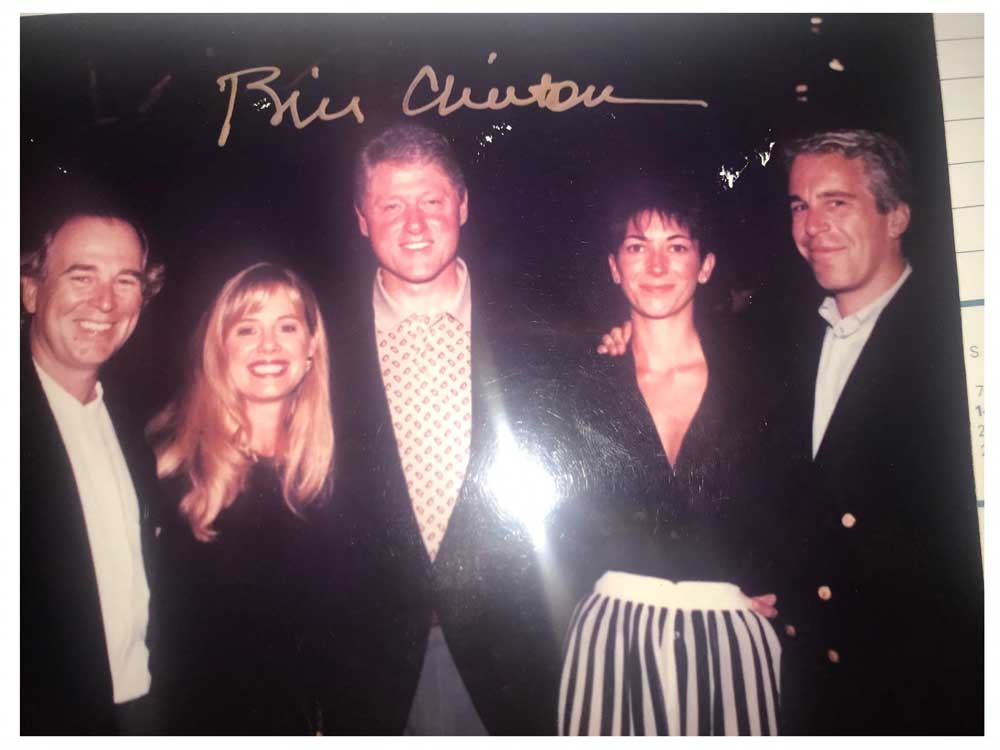
While Bill Clinton has never faced accusations of criminal conduct related to Epstein, his long-standing friendship with the financier – dating back to the 1990s – has become a focal point for Republican lawmakers. They are demanding a comprehensive accounting of Epstein’s network and activities.
Epstein’s arrest in 2019 on federal sex trafficking charges sent shockwaves through the nation. His subsequent death by suicide in a New York jail cell while awaiting trial only deepened the mystery and fueled speculation about the extent of his crimes and the individuals involved.
In their letter, the Clintons acknowledged the horrific nature of Epstein’s crimes and stated they have already provided available information to the committee. They suggest their cooperation has been sufficient, given the limited scope of their knowledge.
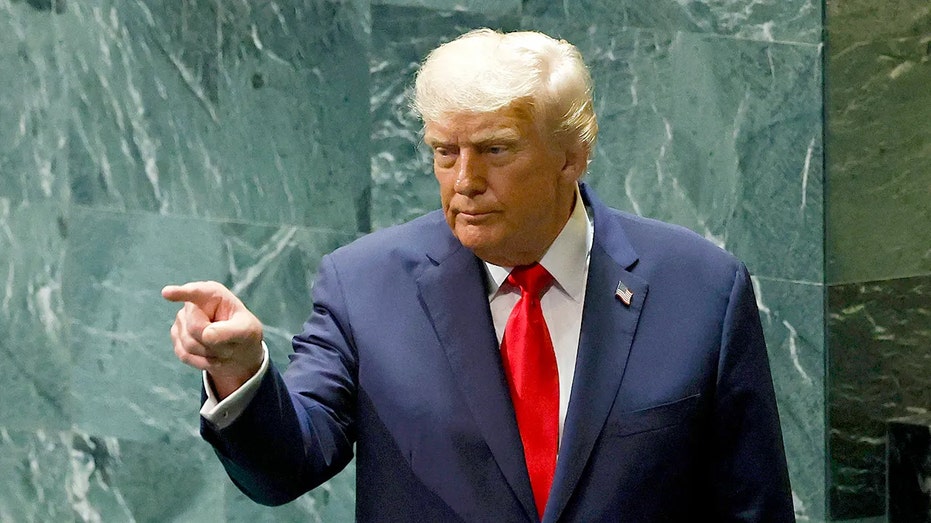
Historically, former presidents have generally testified voluntarily before Congress, but compelling their testimony is a rare occurrence. This precedent was recently invoked by Donald Trump, who successfully resisted a subpoena from the January 6th committee.
Trump’s legal team argued that decades of legal precedent protect ex-presidents from being forced to appear before Congress, and the committee ultimately withdrew its subpoena. This case provides a potential legal framework for the Clintons’ defense.
Interestingly, Chairman Comer has indicated he will not attempt to compel testimony from Donald Trump regarding Epstein, citing the complexities of subpoenaing a sitting or former president. This decision raises questions about the consistency of the committee’s approach.
Like the Clintons, Trump also maintained a documented friendship with Epstein, though he claims to have severed ties before the allegations of sexual abuse surfaced. The differing treatment of these relationships adds another layer of political intrigue to the unfolding situation.