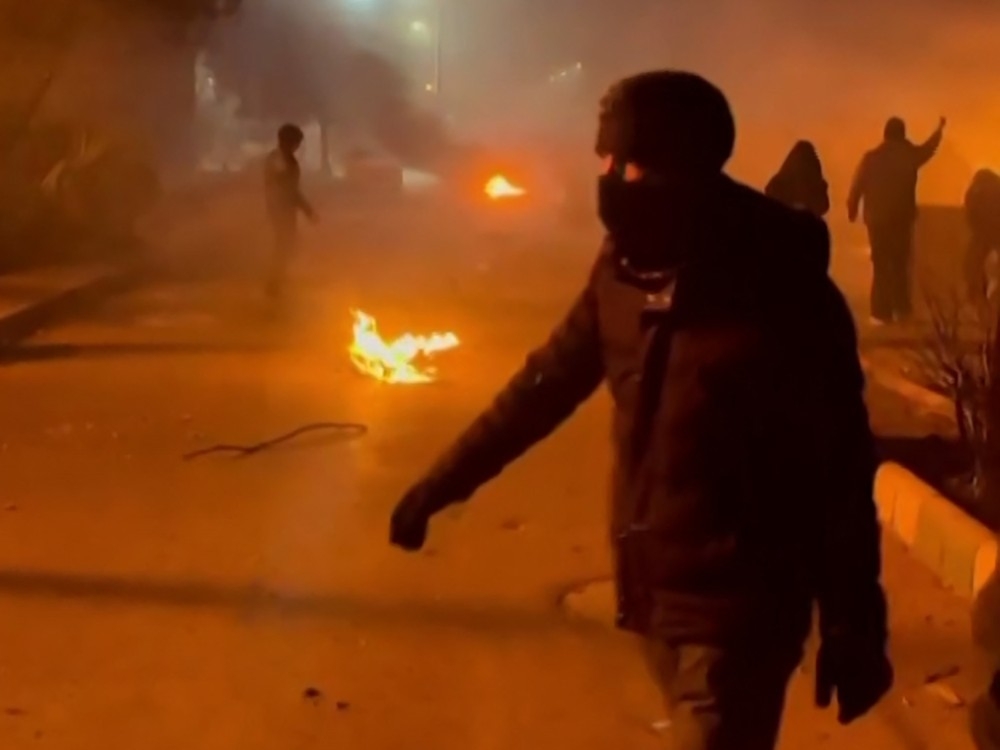
A chilling figure has emerged from the heart of Iran: over 2,000 lives lost in a brutal crackdown on nationwide protests. For days, the world remained largely disconnected, as Iranian authorities severed communications, silencing the cries for change and concealing the escalating violence.
The staggering death toll, reported by activists, eclipses any previous unrest in Iran for decades, echoing the tumultuous days of the 1979 revolution. It’s a grim testament to the desperation and fury that has gripped the nation, fueled by a failing economy and decades of discontent with the ruling theocracy.
State television finally acknowledged the deaths, speaking of “martyrs” but offering no concrete numbers, a delayed admission that came only after activist reports began to surface. The silence spoke volumes, hinting at the gruesome reality authorities sought to conceal.
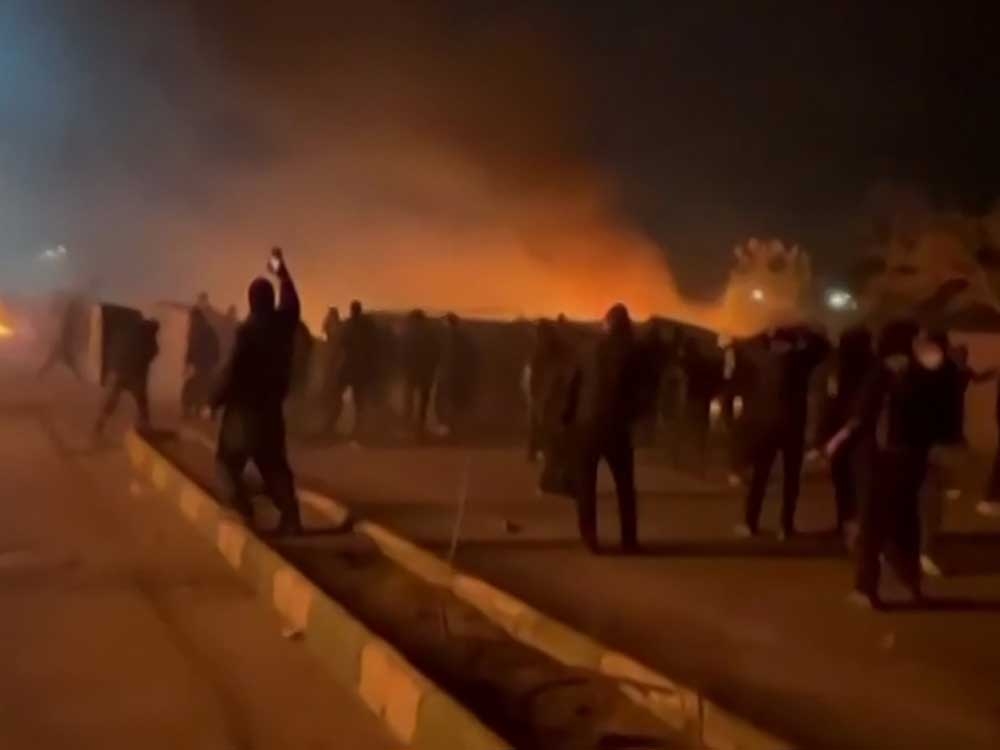
The protests, ignited by economic hardship, quickly transformed into a direct challenge to the authority of 86-year-old Supreme Leader Ayatollah Ali Khamenei. Defiant graffiti and chants calling for his removal – a dangerous act punishable by death – now stain the streets of Tehran.
As news of the escalating violence reached the international stage, a volatile exchange unfolded. Calls for action resonated, but the situation remained fraught with uncertainty and the potential for wider conflict.
The activist group reporting the deaths detailed a horrifying breakdown: 1,850 protesters and 135 government-affiliated individuals among the fallen. Nine children were among those killed, and over 16,700 people have been detained, swept up in a wave of arrests.
With internet access severed, verifying information from within Iran has become a desperate struggle. The true extent of the devastation remains shrouded in darkness, and the official casualty figures remain elusive.
The reported death toll represents a shocking fourfold increase compared to the months-long protests following the death of Mahsa Amini in 2022, revealing a dramatic escalation in both the intensity of the unrest and the government’s response.
Those who managed to circumvent the communication blackout, reaching out to the outside world through clandestine phone calls, paint a harrowing picture of Tehran: a city under siege, scarred by burned-out buildings and patrolled by heavily armed security forces.
Fear and uncertainty permeate daily life. Shopkeepers report customers discussing the possibility of foreign intervention, while taxi drivers speak of a growing sense of hopelessness among the younger generation, yet a persistent desire to continue the fight.
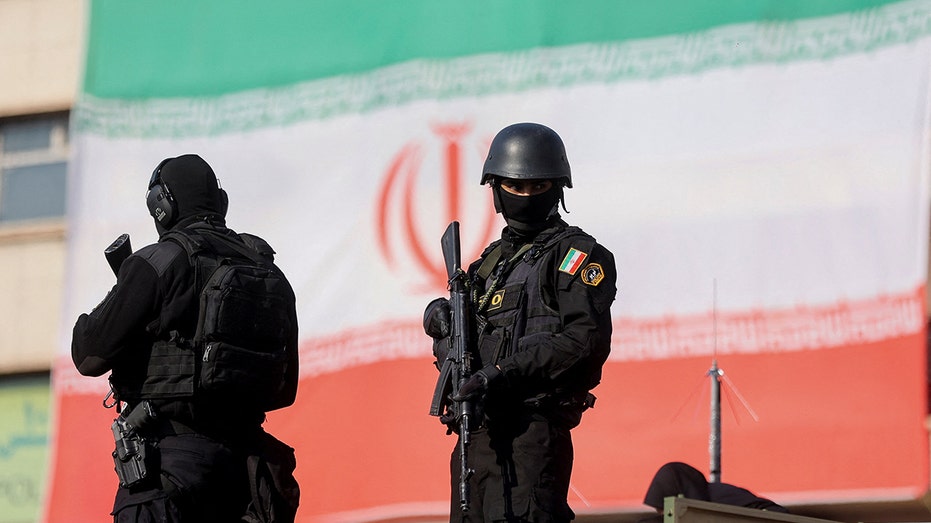
Witnesses describe a pervasive security presence, with anti-riot police equipped with batons, shields, shotguns, and tear gas. Alongside them, members of the Revolutionary Guard’s Basij force, armed with firearms, stand guard, while plainclothes security officials monitor the population.
Banks and government offices bear the marks of the unrest, struggling to function without internet access. The Grand Bazaar, the epicenter of the initial protests, was forcibly reopened by security forces, a stark symbol of the government’s attempt to regain control.
A desperate search for alternative communication methods is underway, with reports of authorities raiding apartment buildings in search of illegal Starlink terminals, a lifeline to the outside world.
Even basic services are impacted, with state television announcing free mortuary services – a grim indication of the financial burden placed on families attempting to reclaim the bodies of their loved ones.
Ayatollah Khamenei, defiant in the face of the uprising, praised pro-government demonstrations, dismissing the protesters as “traitorous mercenaries” and warning against foreign interference. The rhetoric underscores the regime’s unwavering resolve to suppress dissent.
The streets echo with chants of “Death to America!” and “Death to Israel!” – a familiar refrain that reflects the deep-seated animosity towards the West. The attorney general has warned that participation in protests will be considered a capital offense.