A chilling acknowledgment emerged from Iranian state television: “a lot of martyrs.” This marked the first official admission of the devastating human cost of the brutal crackdown on nationwide protests gripping the nation.
The statement, delivered through Ahmad Mousavi, head of the Martyrs Foundation, framed the deaths as sacrifices to “God,” blaming “armed and terrorist groups” for inciting the unrest. This came as activist groups reported a staggering death toll exceeding 2,000 individuals.
The escalating violence has plunged Iran into a crisis unseen in decades, echoing the turmoil of the 1979 Islamic Revolution. What began as frustration over a failing economy quickly transformed into a direct challenge to the ruling theocracy and its 86-year-old Supreme Leader, Ayatollah Ali Khamenei.
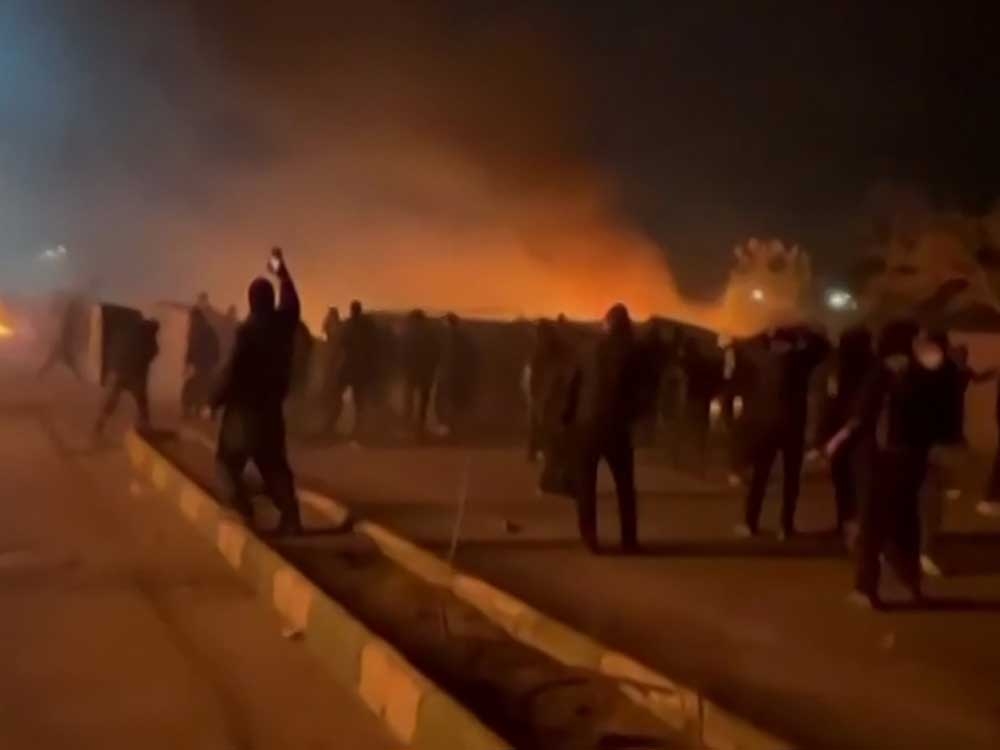
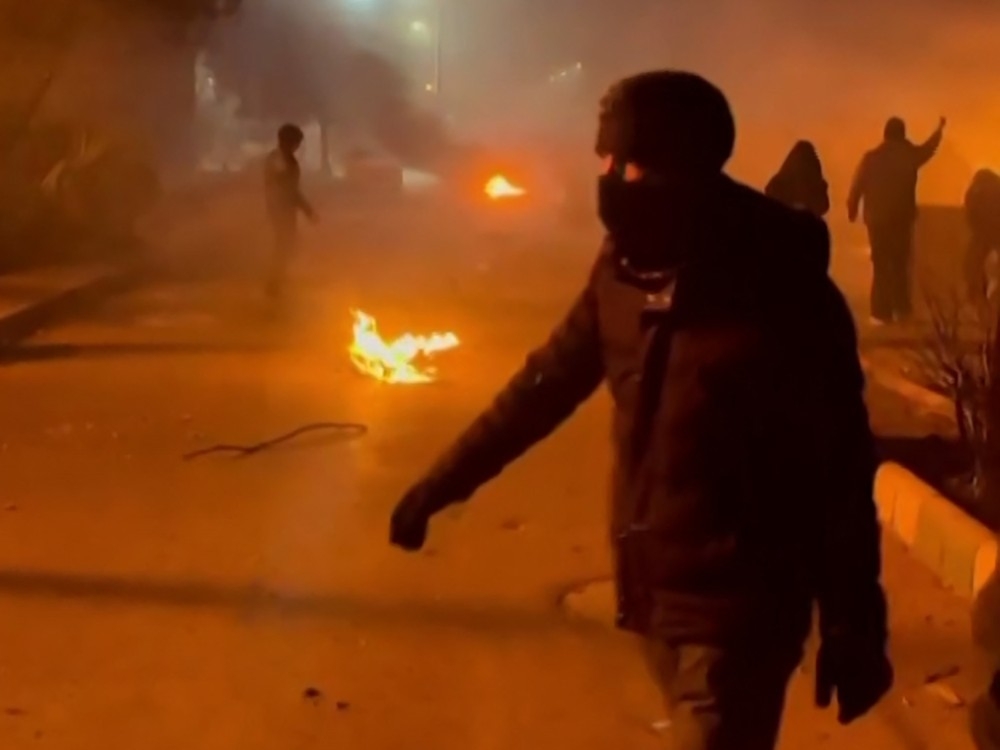
Images surfacing from Tehran reveal a growing defiance, with graffiti and chants openly calling for Khamenei’s death – a dangerous act carrying the ultimate penalty. The sheer scale of the protests, and the government’s response, has sent shockwaves internationally.
The human cost is immense. Activist groups now estimate at least 2,003 people have perished, including 1,850 protesters and 135 government affiliates. Nine children are among the dead, and over 16,700 have been detained, painting a grim picture of widespread repression.
Communication with the outside world has been deliberately severed, making independent verification of the situation incredibly difficult. The internet remains largely blocked, limiting access to information and isolating Iranians from global support.
Those who have managed to connect, speaking in hushed tones, describe a city under siege. Burned-out government buildings, smashed ATMs, and a pervasive security presence define the streets of Tehran. A palpable fear hangs in the air, coupled with a desperate hope for change.
“My customers talk about Trump’s reaction while wondering if he plans a military strike,” confided a shopkeeper, revealing the anxieties gripping ordinary citizens. “I don’t expect Trump or any other foreign country cares about the interests of Iranians.”
Taxi drivers echo this sentiment, noting a simmering undercurrent of discontent among the youth. Despite the risks, a determination to continue protesting persists, fueled by a sense of hopelessness and a yearning for a different future.
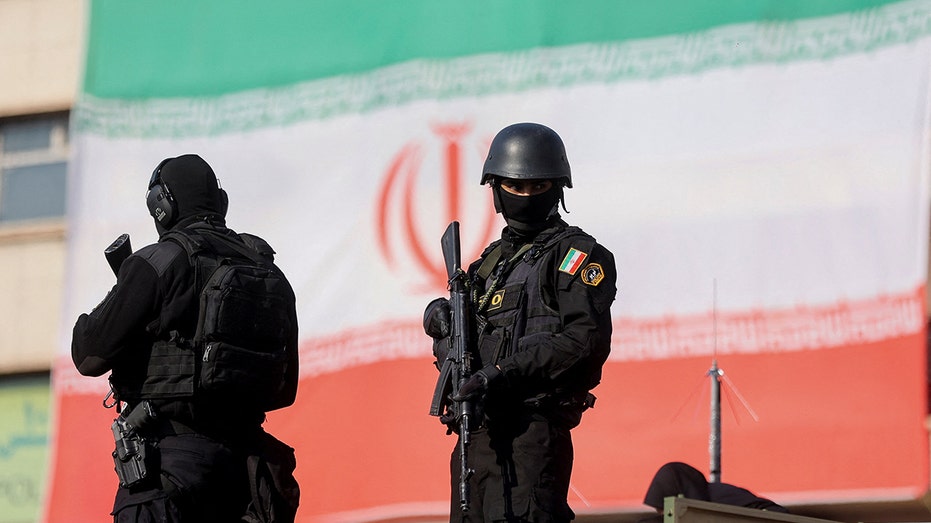
Witnesses report a heavy deployment of anti-riot police, equipped with batons, shields, shotguns, and tear gas. Alongside them, members of the Revolutionary Guard’s Basij force, armed with firearms, patrol the streets, enforcing order through intimidation.
The economic impact is also severe. Banks struggle to function without internet access, and shops remain largely empty despite orders from security forces to reopen. The Grand Bazaar, the epicenter of the initial protests, reopened under duress, a symbol of the government’s attempt to project normalcy.
Authorities are reportedly searching for Starlink terminals, raiding apartments with satellite dishes in a desperate attempt to control the flow of information. Even possessing a satellite dish is illegal, yet many Iranians have quietly defied the ban.
A disturbing signal emerged from state television, announcing free mortuary and morgue services – a tacit acknowledgment of potentially inflated fees charged for the release of bodies during the crackdown. This detail underscores the lengths to which the government is willing to go to suppress dissent.
Ayatollah Khamenei, meanwhile, has rallied pro-government supporters, praising their demonstrations as a warning to the United States and its allies. The rallies were filled with familiar slogans: “Death to America!” and “Death to Israel!”
The attorney general has issued a chilling warning: anyone participating in the protests will be deemed an “enemy of God,” a charge that carries the death penalty. The stakes are impossibly high, and the future of Iran hangs precariously in the balance.