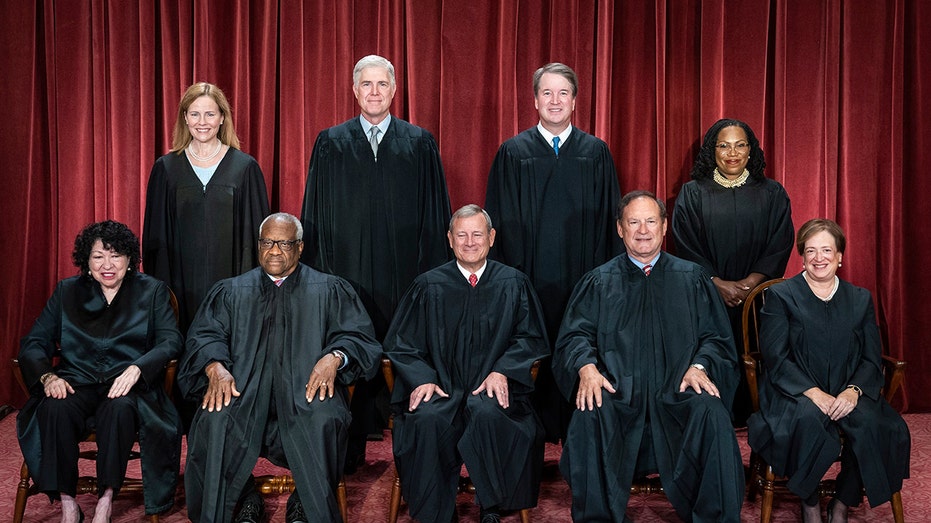
Justice Neil Gorsuch relentlessly questioned a Department of Justice representative during oral arguments, probing the potential nationwide fallout of a Supreme Court decision regarding transgender athletes. The case, centered on West Virginia’s “Save Women’s Sports Act,” sparked a vigorous exchange about the boundaries of fairness and discrimination.
Gorsuch challenged Principal Deputy Solicitor General Hashim Mooppan to reconcile a ruling upholding the West Virginia law with both Title IX – which prohibits sex-based discrimination in education – and the Constitution’s equal protection clause. He didn’t simply accept arguments at face value, but instead, pushed for a deeper understanding of the potential consequences.
The Justice posed a compelling hypothetical: what if schools restricted remedial classes to boys, based on the premise that girls consistently outperform them? He pressed Mooppan on the logic of such a distinction, emphasizing the importance of “science” – and then questioning the validity of applying biological differences selectively.
Mooppan argued that while equality is paramount, “real, enduring obvious differences” exist in the realm of athletics. He dismissed Gorsuch’s hypothetical as relying on “pseudoscience,” a claim Gorsuch swiftly countered, pointing out neither he nor Mooppan possessed the expertise to definitively settle the matter.
Gorsuch relentlessly returned to the core issue: if discrimination based on sex is permissible in sports due to perceived biological advantages, where does the line get drawn? He worried about the implications for other educational opportunities, like math classes or chess clubs, where similar arguments could be made.
The Justice’s questioning was notably more assertive than that of his conservative colleagues. Yet, he also acknowledged the significant strides women and girls have made in sports participation, expressing concern that allowing transgender athletes to compete could potentially “undermine” that progress.
This case carries particular weight given Gorsuch’s past record. He authored the landmark Bostock v. Clayton County decision, which extended workplace discrimination protections to include sexual orientation and gender identity. He repeatedly referenced Bostock during the arguments, questioning why it wouldn’t apply in this educational context.
West Virginia’s legal team argued Bostock is irrelevant, citing the difference between Title VII (workplace discrimination) and Title IX (educational discrimination). They maintained that biological differences are fundamentally critical to ensuring fairness in athletic competition, a factor less relevant in the professional sphere.
At the heart of the case is a 15-year-old transgender athlete who challenged the West Virginia law, arguing it violated both the Constitution and Title IX. This case, alongside a similar one heard the same day, represents a pivotal moment for transgender rights and athletic inclusion.
The Supreme Court’s decision, expected by early summer, promises to have sweeping consequences. A ruling favoring the states could validate bans in numerous other states and potentially influence debates surrounding bathroom policies and gender identification on official documents.
Conversely, a victory for the transgender plaintiffs could limit states’ ability to enact similar bans and broaden the interpretation of federal anti-discrimination laws, setting a precedent for greater inclusivity and equality across the nation.