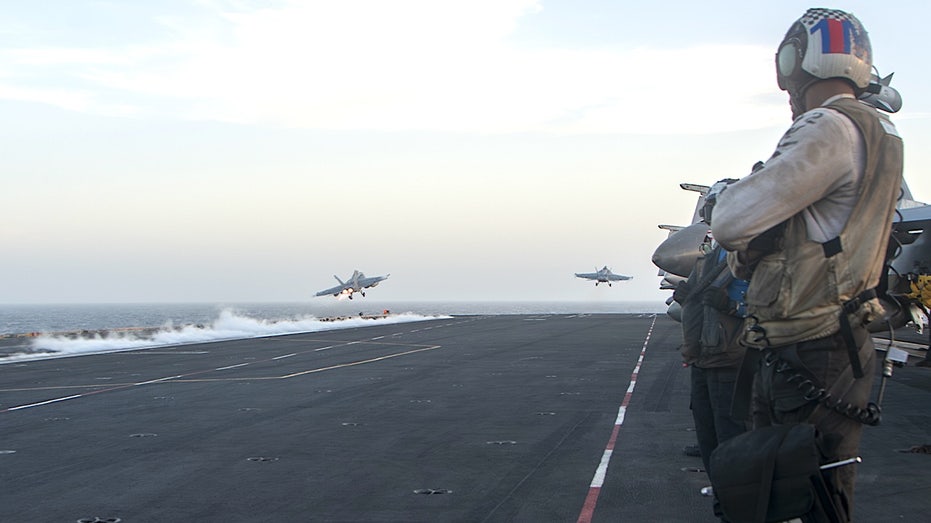
A surge in U.S. airstrikes dramatically reshaped the landscape of Somalia in January, directly targeting both al-Shabab and the emerging Islamic State affiliate known as ISS. These operations, conducted in close collaboration with the Somali federal government, signaled a heightened commitment to disrupting terrorist networks within the region.
The initial wave of strikes, reported on January 12th, focused on dismantling al-Shabab’s operational capabilities. U.S. Africa Command stated the objective was to proactively diminish the group’s capacity to launch attacks against American interests, both domestically and abroad.
Simultaneously, separate airstrikes targeted ISIS-Somalia in the rugged Golis Mountains of Puntland, a region southeast of Bosaso. These strikes, occurring on January 11th and 9th, aimed to contain the group’s growing influence in northern Somalia.
Further south, near Buur Heybo – approximately 95 miles northwest of Mogadishu – additional airstrikes against al-Shabab were reported on January 8th. A coordinated series of strikes also took place between January 3rd and 4th, demonstrating a sustained and multifaceted approach.
This recent escalation represents a significant increase in U.S. military action within Somalia. Data indicates a substantial rise in airstrikes beginning in early 2025, with 38 strikes conducted against al-Shabab and ISIS between February and June alone.
Independent analysts have observed a clear trend: a marked increase in airstrikes coinciding with a shift in presidential administration in 2024. This suggests a renewed emphasis on countering extremist groups in the region.
General Michael E. Langley, commander of US AFRICOM, has publicly warned of the potential for these groups to pose a direct threat to the U.S. homeland if left unchecked. He emphasized the importance of collaborative efforts with intelligence agencies to mitigate this risk.
Al-Shabab, deeply rooted in Somalia since 2007, continues to control significant territory in the south-central regions, relentlessly challenging the authority of the Somali government. Their enduring presence fuels instability and complicates regional security.
ISIS-Somalia, while smaller in scale, is establishing a foothold in the mountainous northeast of Puntland. This emerging faction is actively vying for influence, often clashing with al-Shabab in a complex power struggle.
The ongoing conflict in Somalia has exacted a devastating toll. Through 2024, it ranked as the third-deadliest conflict in Africa, claiming the lives of an estimated 7,289 people – a stark reminder of the human cost of extremism.
The intensified airstrikes reflect a strategic calculation: to disrupt terrorist operations before they can mature into threats capable of reaching beyond Somalia’s borders. The long-term impact of these operations remains to be seen, but the immediate effect is a clear signal of increased U.S. resolve.