The dream of a lightning-fast rail connection between Toronto and Quebec City edged closer to reality this week, with a projected start to construction by 2032. Martin Imbleau, the CEO leading the ambitious project, outlined a phased approach that promises to redefine travel across Canada’s most populated corridor. The vision isn’t just about speed; it’s about fundamentally changing how people experience distance.
The initial phase, slated to begin between 2029 and 2030, will focus on linking Montreal and Ottawa. This crucial segment will serve as a vital proving ground, a real-world test for the massive infrastructure undertaking. Success here will pave the way for the larger, more complex expansion towards Toronto.
Imagine a future where the journey between Toronto and Montreal isn’t a four-hour drive or a lengthy flight, but a mere three-hour train ride. The proposed network will utilize dedicated tracks, allowing trains to reach speeds of up to 300 kilometers per hour – a dramatic leap forward in Canadian rail travel. This isn’t simply an upgrade; it’s a transformation.
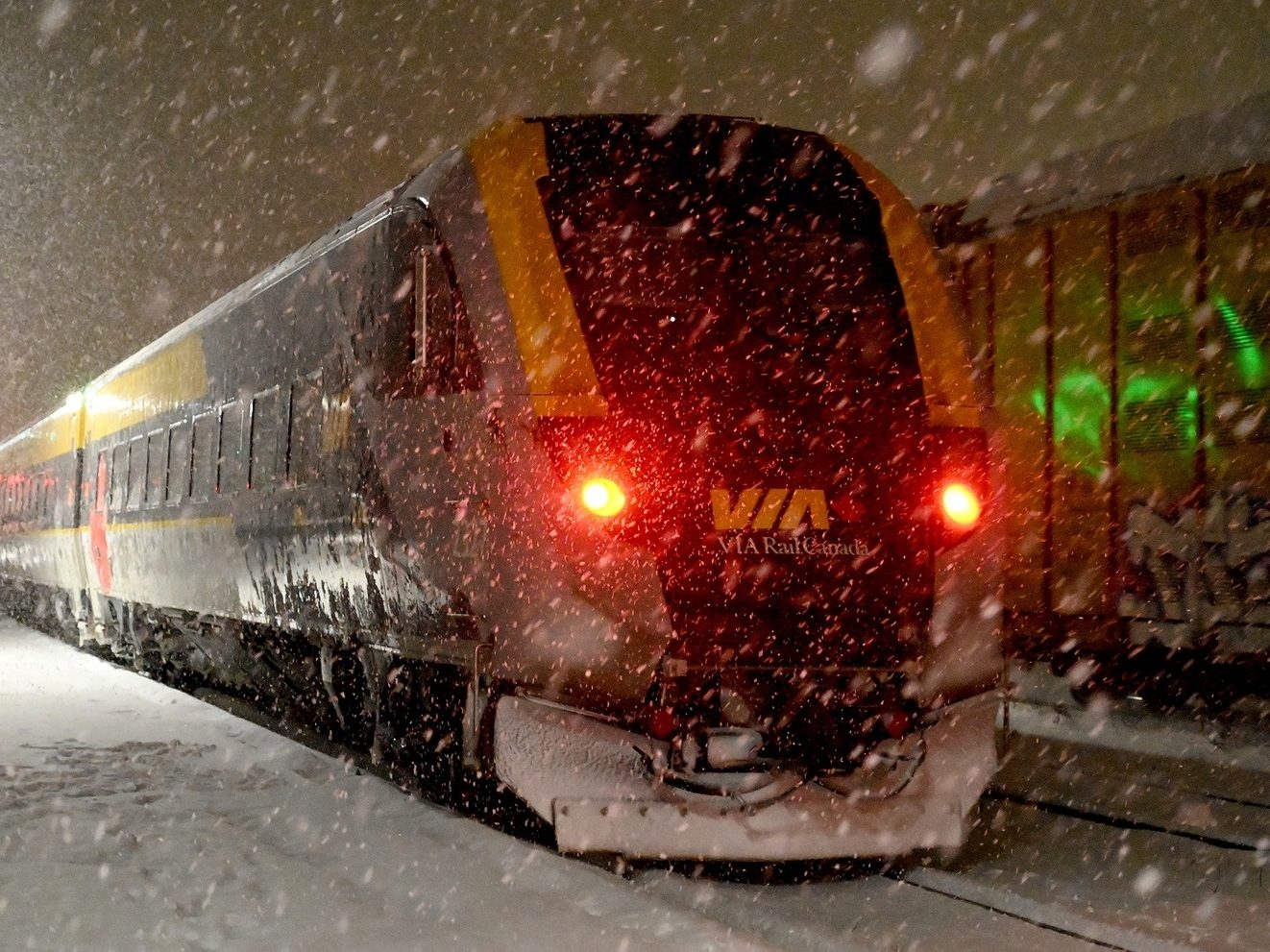
Planners are aiming for prime locations for the major stations, envisioning access points near the bustling hearts of both Toronto and Montreal. Union Station and Central Station are currently under consideration, promising seamless integration with existing urban infrastructure. The goal is convenience and accessibility for travelers.
Before any ground is broken, a comprehensive three-month public consultation will begin later this month. This is a critical opportunity for communities along the proposed route to voice their opinions and shape the future of this groundbreaking project. The conversation is about to begin, and the potential impact is enormous.