A brutal winter has descended upon Ukraine, and with it, a renewed wave of relentless attacks. Russia launched a massive drone and missile bombardment, the second such assault in just four days, targeting the nation’s already strained power grid as temperatures plummet below freezing.
The overnight barrage involved nearly 300 drones, alongside 18 ballistic and seven cruise missiles, impacting eight regions across the country. The strikes left hundreds of thousands without power, and tragically claimed the lives of four people at a mail depot in the northeastern Kharkiv region.
Kyiv, gripped by freezing temperatures for over two weeks – a chilling minus 12 degrees Celsius (10 degrees Fahrenheit) on Tuesday – is struggling to cope. Streets are treacherous with ice, and the constant hum of generators fills the air as residents face the prospect of prolonged outages.
The latest strikes have caused the city’s largest electrical outage to date, leaving over 500 residential buildings without central heating. Icicles hang heavy from bare trees, and snowdrifts accumulate alongside sidewalks, a stark reminder of the harsh conditions.
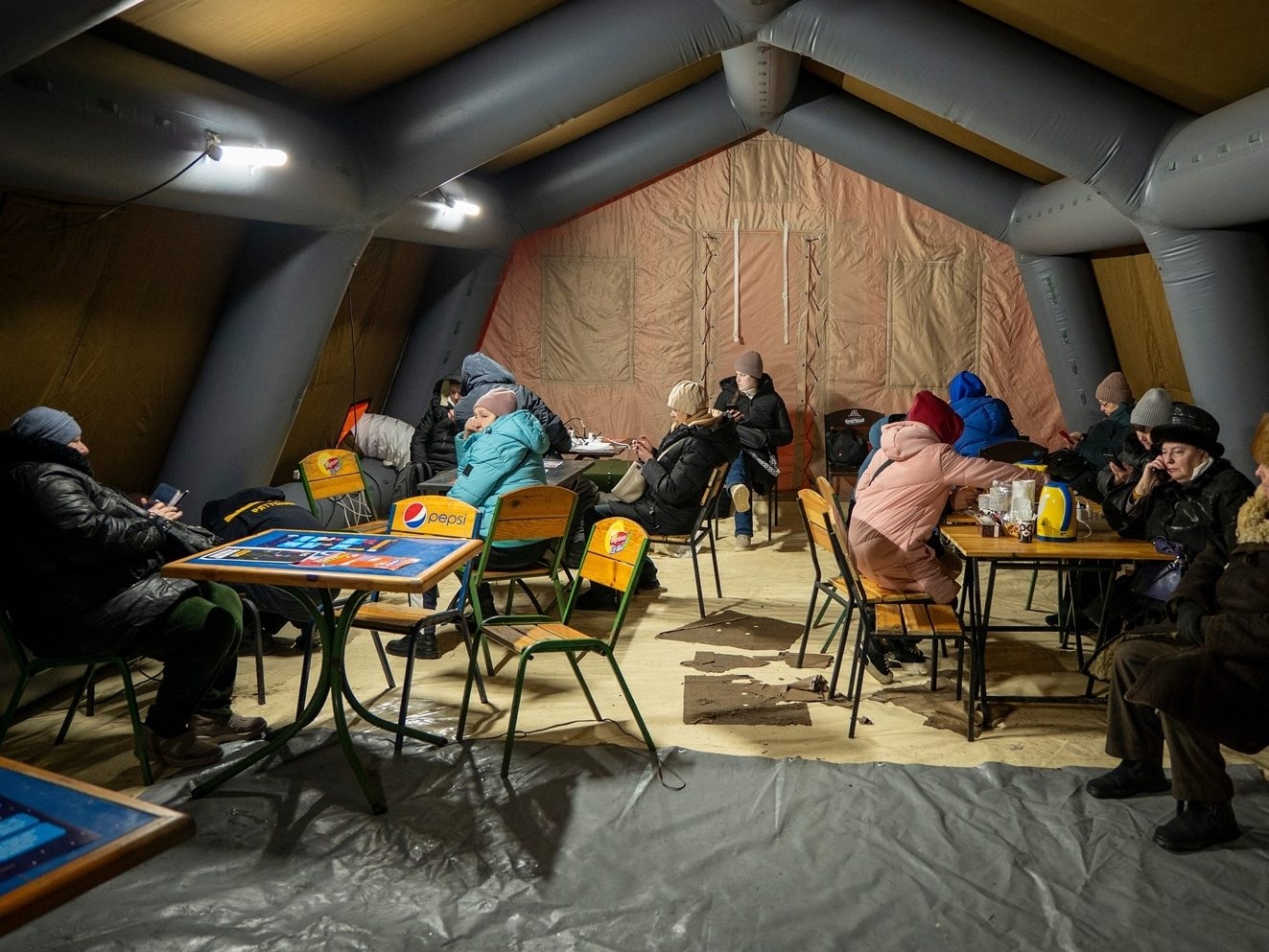
Olena Davydova, a 30-year-old Kyiv resident, is seeking refuge at a “Point of Invincibility,” one of the government-established shelters offering warmth, food, and electricity. She’s been without power for nearly 50 hours, forcing her to adapt to a new reality.
Davydova now sleeps with her child and two cats in the same bed, stores perishables on her balcony, and relies on candlelight after dark. Despite the hardship, she maintains a surprising resilience, stating she still possesses the patience to endure.
Across the city, those with access to power and warmth are opening their homes to friends and family, offering a haven to charge phones, take warm showers, and share a comforting drink. Kyiv’s mayor has ordered daily hot meals for those in need and announced bonuses for essential workers tirelessly restoring infrastructure.
The attacks come as the conflict nears its four-year mark, and amidst attempts at peace negotiations. The United States has condemned Russia’s actions as a “dangerous and inexplicable escalation,” particularly in light of these diplomatic efforts.
Russia’s strategy appears to be a deliberate attempt to break the spirit of the Ukrainian people by denying them basic necessities like heat and water. Ukrainian officials have termed this tactic “weaponizing winter,” a cruel attempt to erode public resistance.
Beyond Kyiv, the devastation continues. Six people were wounded in Odesa, with strikes damaging energy infrastructure, hospitals, kindergartens, and residential buildings. In Kharkiv, ten more were injured, adding to the growing toll.
Last year marked the deadliest for Ukrainian civilians since the war began, with 2,514 killed and 12,142 injured – a 31% increase from the previous year. The UN Human Rights Monitoring Mission reports that long-range attacks are now impacting civilians far beyond the front lines.
Ukraine is urgently appealing for faster deliveries of promised air defense systems from the U.S. and Europe, alongside further aid to counter Russia’s intensified offensive. The need is critical as the country braces for continued attacks.
Meanwhile, Russia claims to have downed 11 Ukrainian drones, seven over the Rostov region, near the city of Taganrog. Ukraine asserts its drones struck a drone manufacturing facility in Taganrog, targeting the Atlant Aero plant, which produces components for unmanned aerial vehicles.
Explosions and fires were reported at the plant, with damage to production buildings confirmed. While independent verification remains elusive, the strike represents a bold move by Ukraine to directly target Russia’s war-related infrastructure.