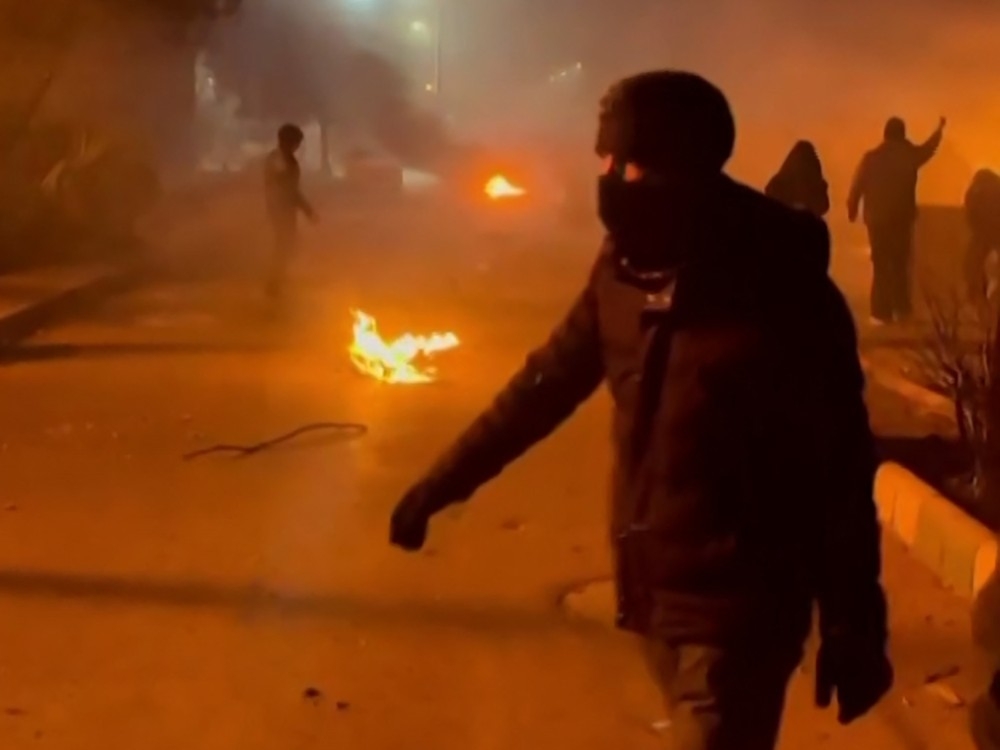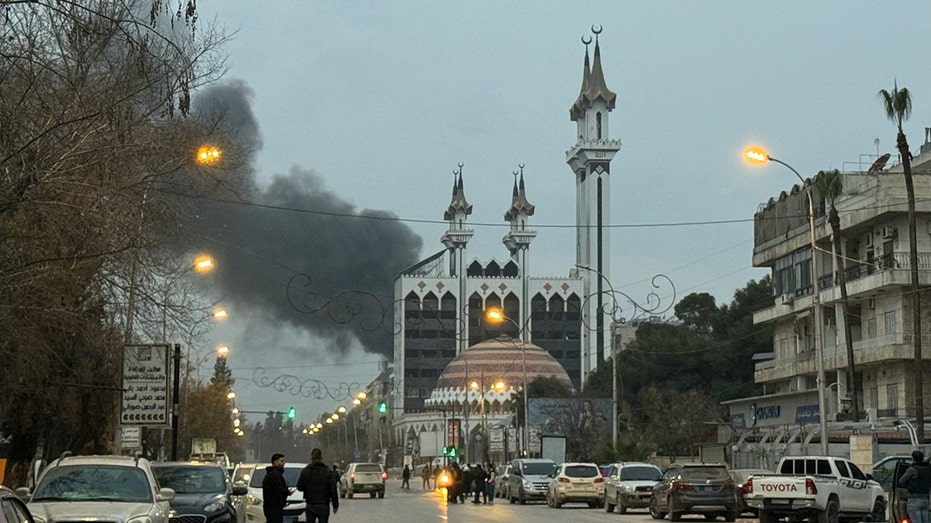
A chilling escalation is unfolding in Aleppo, Syria, where recent clashes have exposed a brutal power struggle and ignited fears of a wider conflict. The Syrian army, now under the control of a former U.S.-designated terrorist, has seized two Kurdish neighborhoods, unleashing a wave of violence against civilians.
Reports emerging from the region detail horrific abuses, including the desecration of bodies and widespread injuries. The chairman of the Senate Foreign Relations Committee has urgently called for accountability, demanding the Syrian government investigate and prosecute those responsible for these egregious acts.
The seizure of Sheikh Maqsood and Ashrafiyeh neighborhoods marks a dangerous turning point. These areas were previously held by the Syrian Democratic Forces (SDF), a crucial ally to the U.S. in the fight against ISIS. Now, an agreement brokered through international mediation has led to the evacuation of Kurdish civilians, a stark admission of the shifting dynamics on the ground.
Adding to the complexity, the U.S. Ambassador to Turkey recently met with Syrian President al-Sharaa and his team in Damascus. Discussions centered on the situation in Aleppo and a proposed integration agreement between the SDF and the Syrian army, a plan intended to safeguard Kurdish rights within a unified Syria.
However, deep suspicions linger. Experts believe Turkey is actively pushing Damascus to weaken the SDF, aiming to force concessions and undermine their negotiating position. Ankara views the Syrian Kurds as a threat, fearing the potential for a Kurdish state that could extend into Turkish territory.
The human cost is already devastating. The Aleppo health directorate reports at least 24 civilians killed and over 120 injured in just five days of fighting. The SDF has warned that continued aggression will plunge Syria back into a full-scale war, placing the blame squarely on those choosing force over diplomacy.
Under al-Sharaa’s rule, radical Islamist forces aligned with the army have been accused of targeting minority groups – Alawites, Druze, and Christians – with massacres. This raises the specter of sectarian violence and further destabilization of the region.
A key point of contention lies in the future governance of Syria. Kurdish representatives advocate for a decentralized system, believing it’s the only way to prevent future conflict. They lament foreign interference, particularly Turkey’s influence over Damascus, and accuse Ankara of deliberately provoking unrest.
Negotiations are fraught with difficulty. While Damascus initially agreed to incorporate three SDF divisions into the army, disagreements over command and control remain unresolved. A fundamental clash of ideologies exists: the SDF desires a decentralized structure, while the Syrian government insists on centralized control.
The SDF maintains that the besieged neighborhoods posed no military threat, dismissing claims of hostile intent as fabricated pretexts for violence. They accuse Damascus-affiliated factions of using these allegations to justify the siege, shelling, and resulting massacres of civilians.
The situation is further complicated by concerns over the role of women in the Syrian army. Kurdish representatives question what the future holds for the female fighters within the SDF, as Damascus reportedly opposes their inclusion in national institutions.
The recent clashes stem from failed negotiations over the implementation of a March 10th agreement. The outcome of these talks, and the future of Aleppo, will have far-reaching consequences for Syria and the fragile peace in the Middle East.
The stakes are incredibly high, and the potential for a wider conflict looms large as external powers and internal factions vie for control in a nation already scarred by years of war.