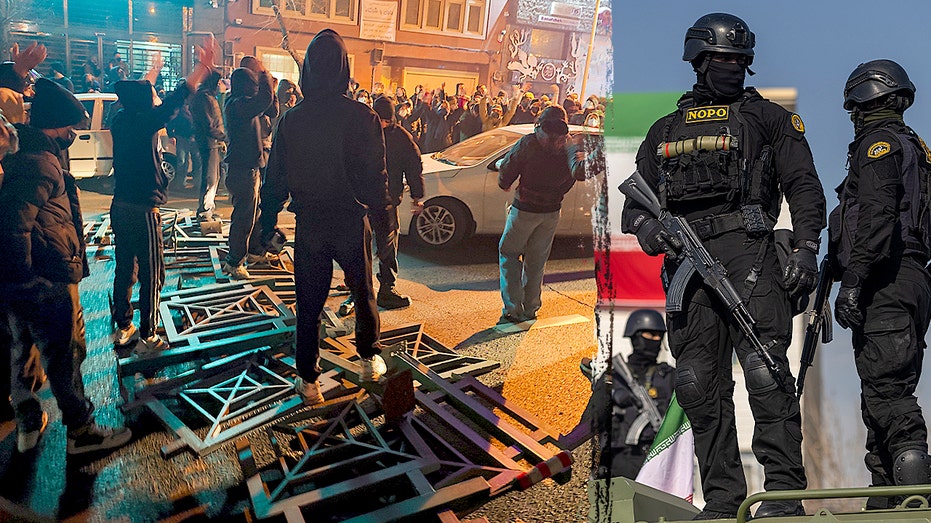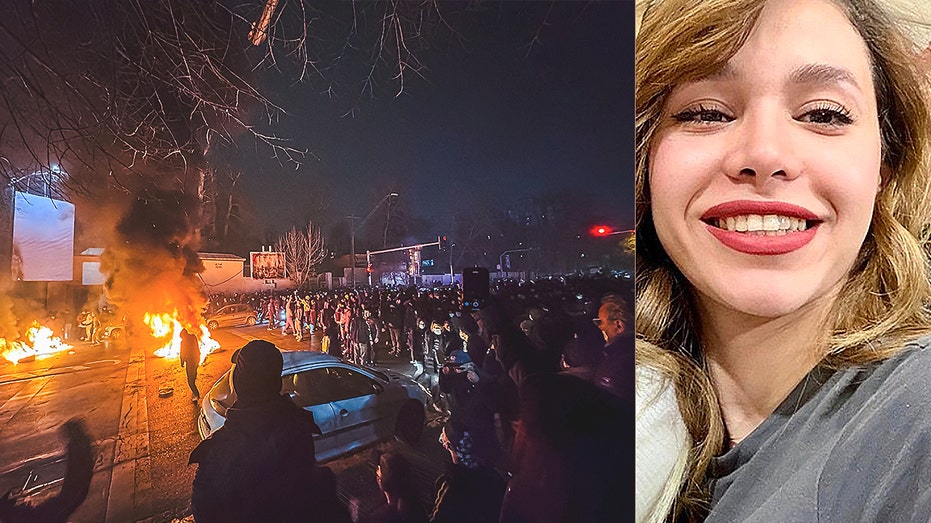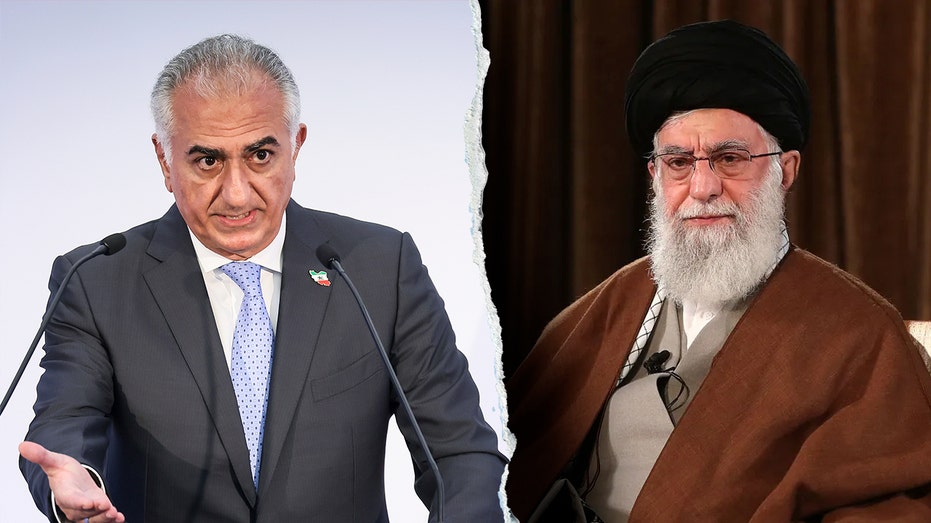
A clandestine meeting unfolded over the weekend, revealing a potential shift in strategy regarding the escalating unrest in Iran. Steve Wiktoff, a representative of the U.S. government, reportedly held discussions with Reza Pahlavi, the exiled heir to the former Iranian throne, as protests continue to grip the nation.
This encounter marks the first known high-level communication between officials and the Iranian opposition since demonstrations ignited fifteen days ago. The meeting’s secrecy underscores the delicate nature of the situation and the potential for significant repercussions.
Pahlavi, son of the Shah overthrown in the 1979 revolution, has been actively positioning himself as a potential leader should the current regime collapse. He envisions a transitional role, a path back towards a different future for Iran.
What surprised U.S. officials wasn’t the meeting itself, but the organic resurgence of the Pahlavi name within the protests. Chants of his name are now echoing through city streets, a spontaneous expression of hope and a yearning for the past.
In a direct appeal, Pahlavi recently urged the former president to intervene, framing him as a champion of peace. He implored for support and action, accusing the current leadership of exploiting information blackouts to brutally suppress dissent.
The former president has issued strong warnings to Iran, stating that any further violence would be met with severe consequences. He has publicly voiced support for the Iranian people, calling for them to seize control of their institutions and promising accountability for those responsible for bloodshed.
Despite these forceful statements and warnings of being “locked and loaded,” concrete action from the U.S. remains elusive. Reports of protesters being killed continue to surface, yet a decisive move has not materialized.
The Wiktoff meeting appears to represent a departure from earlier, more cautious statements. It signals a potential willingness to engage directly with opposition figures, even as the situation on the ground remains volatile and unpredictable.
The former president had previously expressed skepticism about meeting with Pahlavi, creating a layer of complexity to this new development. The implications of this meeting are far-reaching, potentially reshaping the dynamics of the Iranian crisis.
The unfolding events in Iran are a testament to the enduring desire for change and the complex interplay of internal struggles and external influences. The future remains uncertain, but the voices of the Iranian people are growing louder with each passing day.