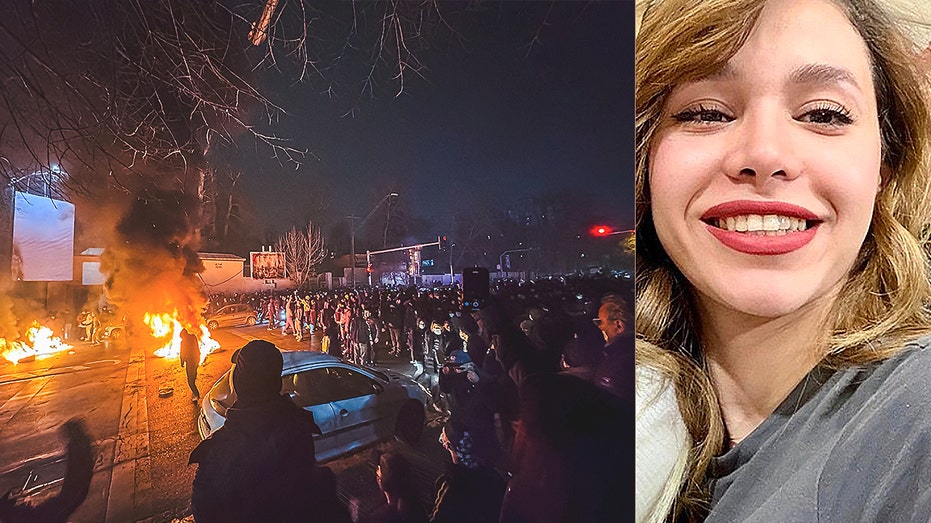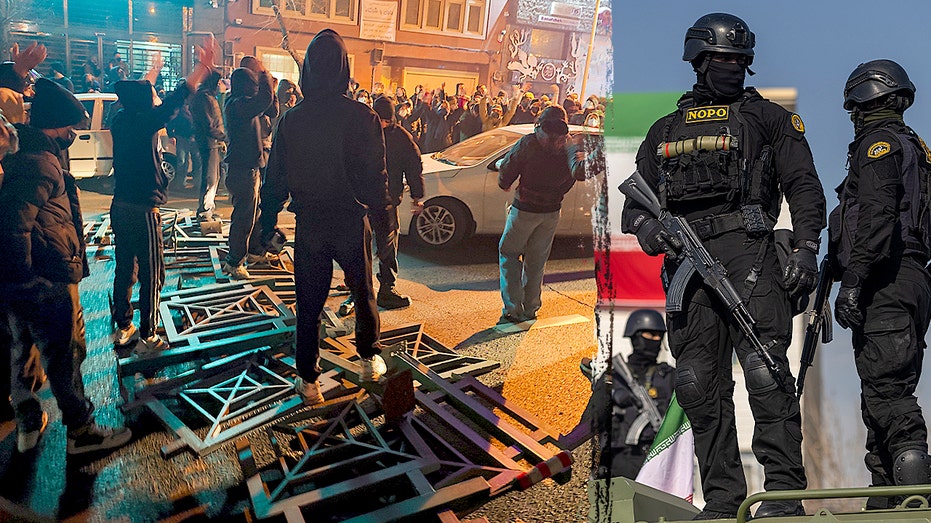
A chilling escalation unfolded in Iran as protests surged, transforming from clashes involving pellet guns to the devastating reality of live ammunition. A doctor, now in exile, revealed a harrowing shift in the nature of injuries he treated, painting a picture of rapidly increasing casualties.
Initially, the injuries were consistent with non-lethal force – a barrage of pellets causing wounds to the back, head, and scalp. The doctor described a steady stream of patients, receiving five or six urgent calls each day regarding these types of injuries.
Everything changed on January 8th, coinciding with a nationwide internet blackout and a deliberate severing of communication lines. The silence was broken by a terrifying new sound: the unmistakable crack of gunfire.
Arriving at the hospital, the doctor was confronted with a scene of utter chaos. The injuries were no longer superficial; they were catastrophic, indicative of close-range shootings and a grimly rising death toll. The nature of the wounds had fundamentally altered.
The doctor’s accounts align with reports from human rights groups estimating thousands of deaths as security forces brutally suppressed the demonstrations. Some estimates place the number of fatalities exceeding 3,000.
The protests themselves were born from deep-seated frustration over economic hardship, soaring prices, and rampant inflation, quickly evolving into a widespread rejection of the government. The doctor’s phone began ringing with a different kind of plea – desperate calls reporting gunshot wounds, bullets tearing through bodies.
In the city of Isfahan, a major focal point of the unrest, the streets became stained with blood. The doctor vividly recalled seeing a liter of blood pooled in the gutters, marked by trails stretching for meters, a stark testament to the violence.
The intensity of the violence didn’t peak immediately, but rather increased incrementally, step by step. Then came January 9th, and a terrifying new level of aggression.
That night, the doctor distinctly heard the unmistakable sounds of automatic gunfire, recognizing the distinct signatures of heavy machine guns – DShK and PK models – weapons typically deployed by units of the Islamic Revolutionary Guard Corps (IRGC). He described the injuries as “shoot-to-kill.”
The victims were not limited to any one demographic; they ranged from teenagers to elderly men. The brutality of the attacks was such that many bodies were rendered unrecognizable, making identification impossible.
One colleague recounted a single night shift where eight bodies arrived with gunshot wounds to the face, their features obliterated beyond recognition. The sheer scale of the tragedy was overwhelming, leaving countless families without closure.
The doctor’s testimony offers a harrowing glimpse into the escalating violence and the desperate struggle for survival unfolding within Iran, a chilling account of a nation silenced and scarred.